Misunderstood Supercars: 5 Icons That Deserve Applause
It’s time to give justice to the misunderstood masterpieces Not every great supercar gets applause at launch. Some are too expensive. Too extreme. Too different. Too early. Or simply misunderstood.
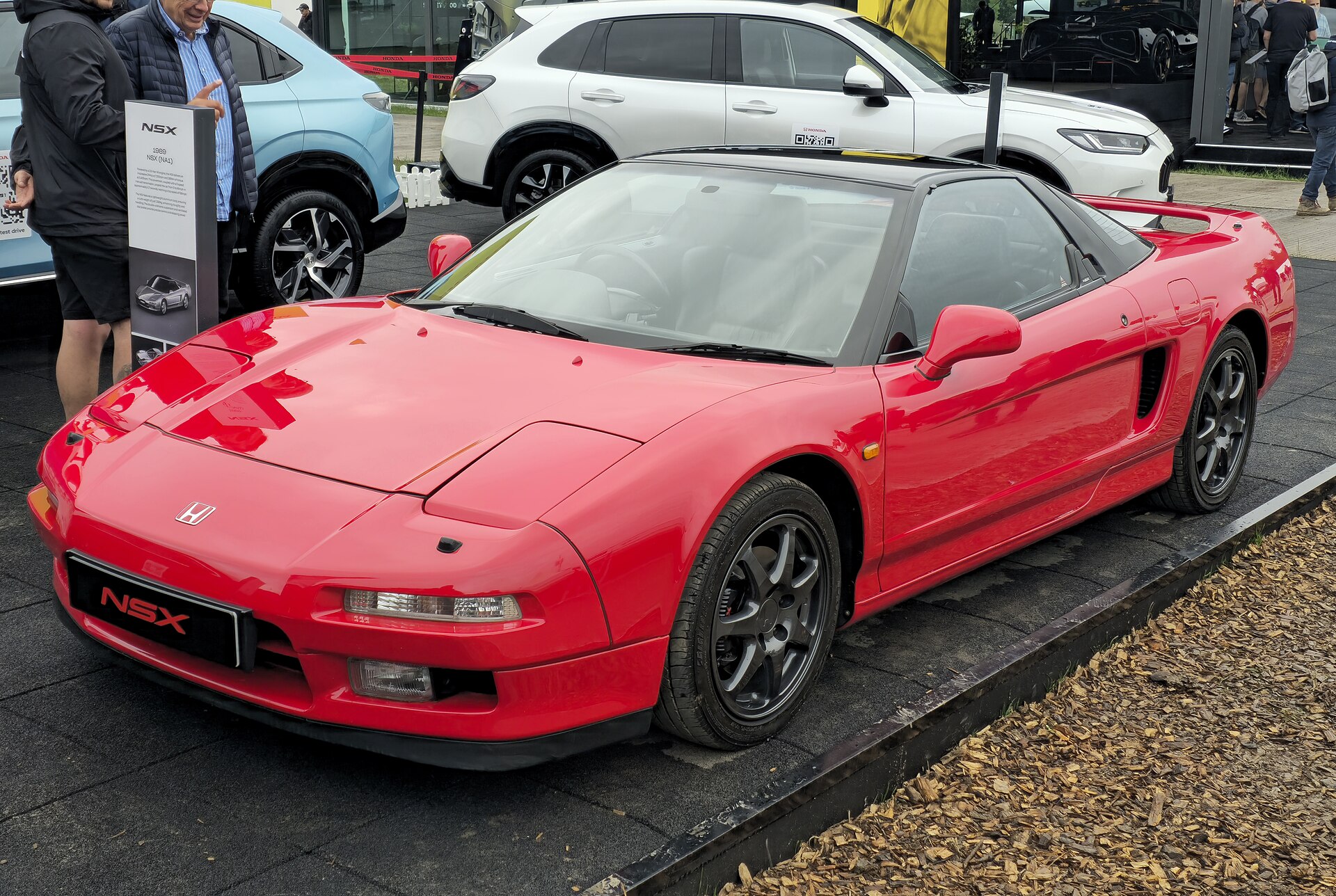
It’s time to give justice to the misunderstood masterpieces
Not every great supercar gets applause at launch. Some are too expensive. Too extreme. Too different. Too early. Or simply misunderstood.
But history has a strange way of correcting mistakes.
Today, we’re revisiting five supercars that didn’t receive universal praise when they debuted—yet now stand as engineering milestones and collector favorites. It’s time to give credit where it’s long overdue.
1) Noble M600 — The Analog Warrior
When the Noble M600 arrived in 2010, it didn’t come with a marketing empire, racing heritage narrative, or flashy brand mythology.
It came with something else:
- 4.4L twin-turbo V8
- Up to 650 hp
- Carbon fiber body
- No ABS (initially)
- No traction control
- No stability safety net
In an era already moving toward digital intervention and electronic control, the M600 felt almost rebellious. It demanded respect. It punished carelessness. And that made journalists nervous.
But that rawness is exactly why it matters.
Today, the M600 is seen as:
- One of the last truly analog hyper-focused driver cars
- A low-production British exotic with serious performance credibility
- A purist’s antidote to over-engineered supercars
Underrated at launch? Absolutely.
Respected today? More than ever.
2) Gumpert Apollo — The Track Monster Nobody Understood
The Gumpert Apollo never tried to be beautiful.
It looked like a race car that escaped from a wind tunnel. Because in many ways… it was.
Founded by Roland Gumpert (former Audi Sport director), the Apollo was engineered for one purpose: lap times.
- Aggressive aero
- Extreme downforce
- Audi-sourced twin-turbo V8
- Nürburgring dominance in its era
The problem?
It lacked brand glamour. It lacked refinement. It lacked the emotional storytelling Ferrari and Lamborghini had mastered.
But in pure numbers and track capability, it was ferocious.
Today, in a world obsessed with Nürburgring lap times, the Apollo suddenly makes sense. It was simply ahead of the marketing curve.
Underrated then.
Visionary now.
3) Lexus LFA — The $375,000 “Overpriced Toyota”
When the Lexus LFA launched in 2010 with a price tag near $375,000, critics laughed.
Why would anyone pay Ferrari money for a Lexus?
What many didn’t understand at the time:
- The carbon fiber monocoque was developed in-house after Lexus scrapped aluminum plans.
- The 4.8L naturally aspirated V10 revved to 9,000 rpm.
- Yamaha tuned the intake sound like a musical instrument.
- The digital tachometer existed because an analog needle couldn’t keep up with the engine speed.
It wasn’t a parts-bin supercar. It was a technological showcase.
Production was capped at just 500 units.
Fast-forward to today:
The LFA is one of the most celebrated naturally aspirated V10s ever built—and values have reflected that shift in perception.
At launch, misunderstood.
Today, a modern icon.
4) Mercedes-Benz SLR McLaren — Too Soft? Or Too Advanced?
The SLR McLaren faced an identity crisis.
Was it a grand tourer?
Was it a supercar?
Was it a collaboration experiment gone wrong?
It wasn’t as razor-sharp as Ferrari’s offerings. It wasn’t as dramatic as a Lamborghini. But it offered:
- Carbon fiber construction
- A hand-built supercharged V8
- Active aero airbrake
- Long-distance comfort few rivals could match
The market expected something more extreme.
Instead, it got something ahead of its time: a high-speed hyper-GT.
Today, as the industry embraces hybrid grand tourers and dual-purpose hypercars, the SLR feels less confused—and more visionary.
5) Porsche Carrera GT — Feared, Then Revered
The Porsche Carrera GT is now considered one of the greatest supercars ever made.
But at launch?
It was criticized for:
- A heavy clutch
- A demanding driving experience
- A reputation for being unforgiving
Its 5.7L V10—derived from racing development—produced over 600 hp in a manual-only layout with zero electronic babysitting.
It required skill. It required respect.
Over time, enthusiasts began to understand something crucial:
The Carrera GT wasn’t flawed.
It was uncompromising.
Today, it’s widely regarded as one of the last true analog hypercars.
What These Cars Have in Common
Despite different brands and personalities, these five share powerful traits:
1) They refused to follow trends
They weren’t built to satisfy focus groups.
2) They prioritized engineering over marketing
Many were more advanced than their reputations suggested.
3) They required time
The market sometimes needs distance to recognize greatness.
Why “Underrated” Cars Often Age Well
Here’s the pattern collectors eventually recognize:
- Low production
- Distinct identity
- Mechanical purity
- Strong narrative
- “Last of an era” traits
The LFA’s V10.
The Carrera GT’s manual gearbox.
The Noble’s analog brutality.
The Apollo’s track obsession.
These are not just specs.
They’re time capsules.
The Real Question
Which current car might we be underestimating today?
Is there a 2024–2025 supercar being mocked, misunderstood, or priced out of favor that will be revered in 2045?
History suggests: absolutely.
The supercar world doesn’t just reward speed.
It rewards conviction.
Which of these five would you choose for your dream garage—and why?
Or tell me your own pick for the most underrated supercar ever built.
Related reads: How Fast & Furious Elevated the Nissan Skyline… · The Ford GT Legacy · Buying Guide