How Fast & Furious Elevated the Nissan Skyline GT-R to Iconic Status
How Fast & Furious turned a Japanese sports car into a global icon and blue-chip collectible Before the early 2000s, the Nissan Skyline GT-R was already a legend—especially in Japan and among hardcore enthusiasts.
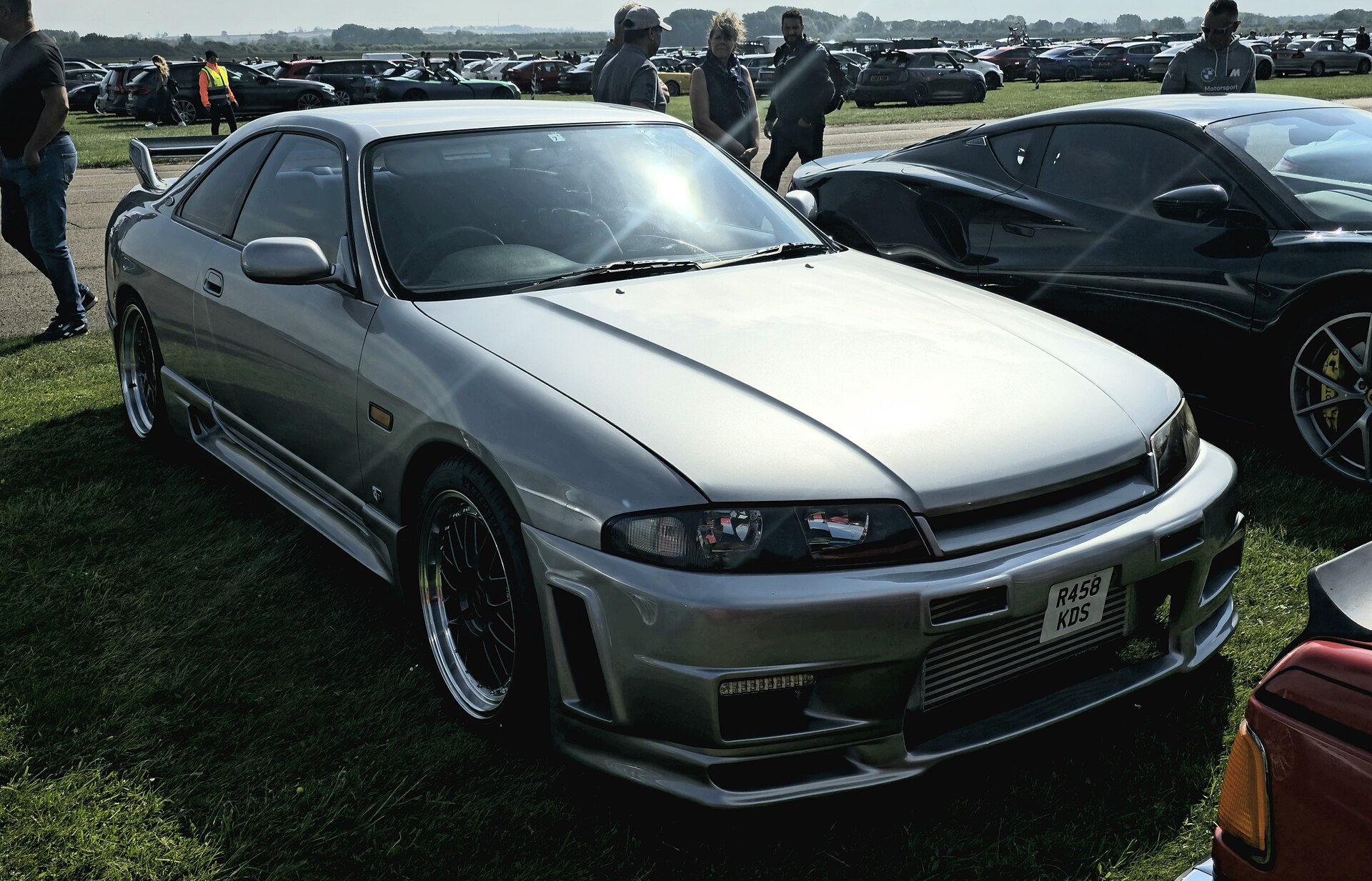
How Fast & Furious turned a Japanese sports car into a global icon and blue-chip collectible
Before the early 2000s, the Nissan Skyline GT-R was already a legend—especially in Japan and among hardcore enthusiasts. But it was still, to many outside that world, just another performance car from the Land of the Rising Sun.
Then Hollywood stepped in.
When Paul Walker’s character Brian O’Conner slid onto the screen in 2 Fast 2 Furious behind the wheel of a silver-and-blue Skyline GT-R (R34), something shifted. The car didn’t just look fast. It felt mythic. And from that moment forward, the Skyline wasn’t just a machine—it was a symbol.
The Skyline Before Hollywood
The Skyline name dates back to the 1950s, but it was the GT-R variants that forged its reputation in motorsport. By the time the R32, R33, and especially the R34 arrived, the GT-R badge carried serious weight:
- Twin-turbocharged inline-six (RB26DETT)
- Advanced ATTESA all-wheel drive
- Sophisticated chassis balance
- Nürburgring credibility
- Dominance in Japanese touring car racing
Among enthusiasts, it was already nicknamed “Godzilla.”
But here’s the key:
Outside Japan and hardcore tuner circles, the Skyline was still niche.
Enter Paul Walker
When 2 Fast 2 Furious premiered in 2003, the franchise doubled down on Japanese performance culture. And Paul Walker’s on-screen persona—calm, skilled, relatable—became the perfect ambassador.
The R34 GT-R wasn’t portrayed as flashy excess. It was portrayed as:
- Technical
- Precise
- Intelligent
- Driven by skill, not ego
That alignment between car and character was powerful.
Paul Walker didn’t just drive the Skyline. He embodied what it represented: a generation of enthusiasts discovering Japanese performance for the first time.
Cinema as Amplifier
Movies don’t just showcase cars—they assign them personality.
The Skyline’s cinematic portrayal emphasized:
1) Technological Superiority
The R34’s dashboard multi-function display, turbo whistle, and digital aesthetic made it feel futuristic.
2) Tuner Culture Legitimacy
The film franchise validated modification culture. Suddenly, boost gauges and aftermarket wheels weren’t underground—they were mainstream.
3) Global Accessibility
Audiences worldwide were introduced to a car many markets never officially received.
In the United States, for example, the R34 wasn’t even legally sold new. That only intensified desire. Scarcity fuels mythology.
From Movie Car to Cultural Artifact
After Paul Walker’s passing in 2013, the Skyline’s symbolism deepened.
It wasn’t just a performance car anymore. It became:
- A tribute object
- A nostalgia trigger
- A generational marker
The emotional connection between fans and the franchise elevated certain cars into something beyond transportation.
When one of the film-used R34 Skylines later sold for over a million dollars at auction, it confirmed what enthusiasts already felt: this wasn’t just metal. It was history.
Cinema had permanently altered its value trajectory.
Why the Skyline’s Value Exploded
Several forces converged:
1) Limited Production & Import Barriers
The R34 was produced in relatively low numbers compared to mass-market sports cars. Legal import restrictions in certain countries added rarity.
2) Analog + Early Digital Era
It sits at a perfect technological crossroads:
- Mechanical enough to feel raw
- Advanced enough to feel modern
3) Cultural Timing
The early 2000s were peak tuner culture:
- PlayStation racing games
- Aftermarket boom
- Internet forums
- Street racing mythology
The Skyline became the poster car of that era.
The Power of Narrative
Not every great car becomes a global icon. What the Skyline had was narrative power:
- Motorsport credibility
- Underground tuning dominance
- Hollywood spotlight
- Emotional association with a beloved actor
Cars become timeless when they carry stories larger than themselves.
The Skyline did exactly that.
Cinema’s Role in Automotive Immortality
The Skyline is proof that film can:
- Expand a car’s cultural footprint
- Create emotional demand
- Turn scarcity into legend
- Transform market value decades later
It wasn’t the fastest car of its time.
It wasn’t the most expensive.
It wasn’t the most luxurious.
But it became unforgettable.
The Real Legacy
Paul Walker’s legacy isn’t just about a franchise. It’s about how passion shapes perception.
The Skyline became immortal not solely because of horsepower—but because it symbolized:
- Loyalty
- Skill
- Brotherhood
- Car culture at its purest
That emotional resonance is impossible to manufacture artificially. It has to happen organically.
And when it does, markets follow culture.
Final Thought
If the Skyline had never appeared in Fast & Furious, it would still be respected.
But because it did, it became eternal.
Which movie car do you think had the biggest impact on real-world values?
- Nissan Skyline GT-R R34
- Toyota Supra Mk4
- Dodge Charger (1969)
- Porsche 911 (various film roles)
Drop your pick in the comments
Related reads: Buying Guide · Top 5 Rarest GT-Rs · The Battle of Giants