F1 Tech's Impact on Hypercar Performance
Introduction — From Race Track to Road Formula 1 is not just a sport. It is the world’s most extreme research laboratory for performance engineering.
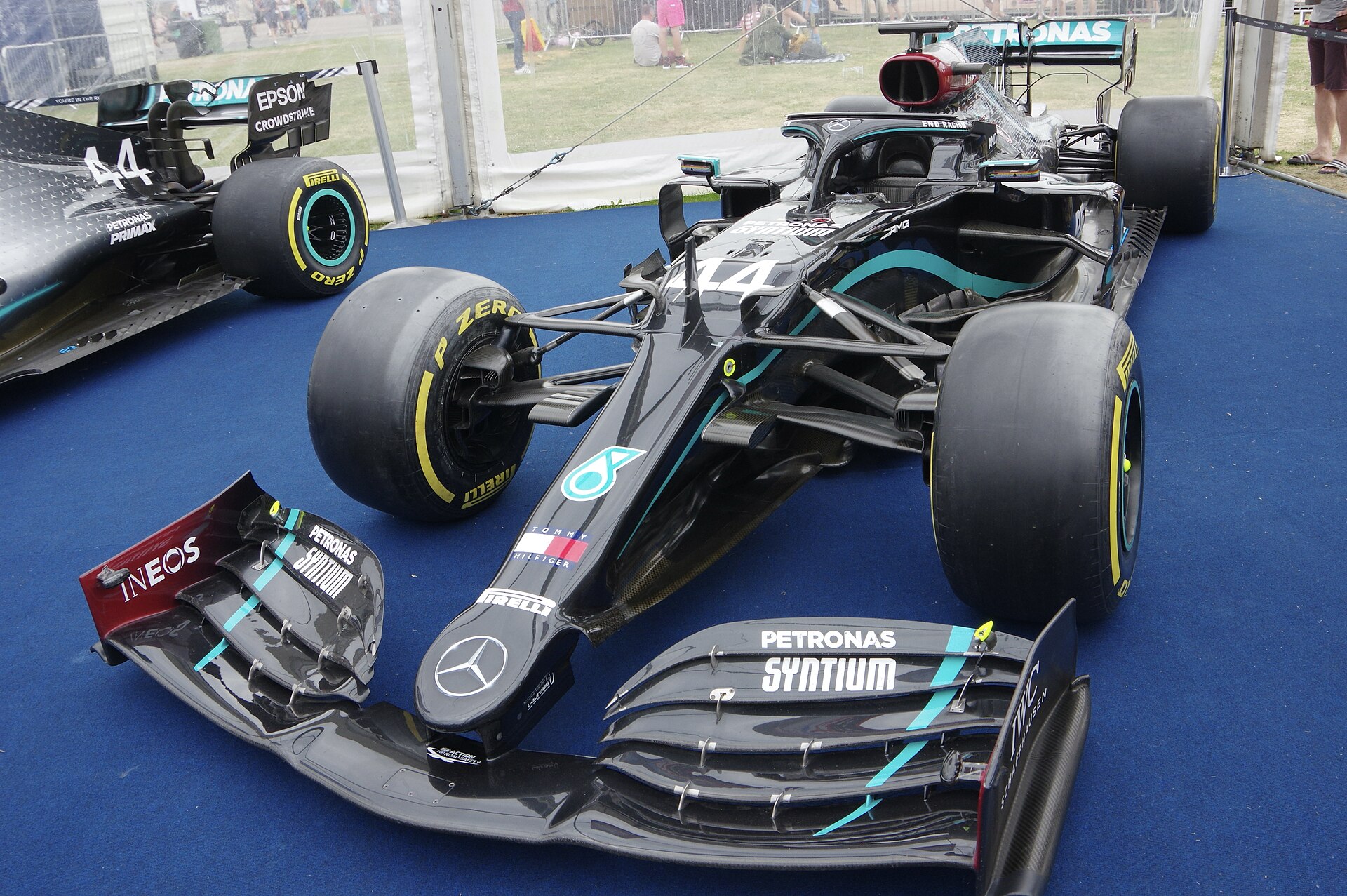
Introduction — From Race Track to Road
Formula 1 is not just a sport. It is the world’s most extreme research laboratory for performance engineering. Every year, billions are spent to extract micro-gains in efficiency, speed, reliability, and control. These gains rarely stay on the racetrack. Over time, they migrate into road cars — and ultimately into hypercars. This article explores how Formula 1 technology flows from competition into the hypercars we see on the street.
1. Aerodynamics: From Downforce to Stability
F1 aerodynamics focuses on maximizing downforce while minimizing drag. In hypercars, this knowledge is adapted to:
- Improve high-speed stability
- Enhance cornering grip
- Reduce lift
- Manage airflow for cooling
Active aerodynamic systems in hypercars are directly inspired by F1’s obsession with airflow management.
2. Hybrid Powertrains: Efficiency Under Pressure
Modern F1 engines are hybrid systems designed for:
- Maximum efficiency
- Energy recovery
- Thermal optimization
Hypercars adopt this philosophy:
- Hybrid systems improve acceleration
- Regenerative braking recovers energy
- Smaller engines deliver greater output through electrification
Efficiency replaces brute force.
3. Materials: Lightweight, Strong, Expensive
F1 pioneered:
- Carbon fiber monocoques
- Advanced composites
- Titanium and exotic alloys
Hypercars use the same materials because:
- Weight reduction improves every performance metric
- Structural rigidity enhances safety and handling
- Thermal resistance improves reliability
What wins races also wins on the road.
4. Telemetry and Data-Driven Performance
F1 cars are constantly monitored by sensors and telemetry. Hypercars now use:
- Thousands of data points
- Real-time performance monitoring
- Predictive maintenance
- Software-based optimization
Performance is no longer tuned mechanically. It is tuned digitally.
5. Driver Aids as Performance Multipliers
Traction control, torque vectoring, stability systems, and adaptive suspension all originate from motorsport research. In hypercars, these systems:
- Make extreme performance usable
- Increase safety at the limits
- Allow drivers to access levels of speed that would otherwise be impossible
Technology replaces raw skill.
6. Why Hypercars Are the Perfect F1 Descendants
Mass-market cars cannot absorb F1 technology:
- Too expensive
- Too complex
- Too specialized
Hypercars can:
- They operate at similar cost levels
- They are built in small numbers
- Their customers expect cutting-edge engineering
Hypercars are the natural evolutionary successor to racing innovation.
Conclusion — Racing Is the Future, in Disguise
Formula 1 is not entertainment. It is applied science at the edge of physics. Hypercars are where that science becomes tangible. Every lap in F1 is a prototype for the road. And every hypercar is a delayed echo of the racetrack.
Related reads: Ferrari Enzo · Mercedes-AMG ONE · Ferrari F50