Why Hypercars Are the New Investment Trend
Introduction — When Performance Becomes Value For decades, hypercars were seen purely as luxury objects: expensive, exclusive, and irrational. Today, that perception is changing.
Introduction — When Performance Becomes Value
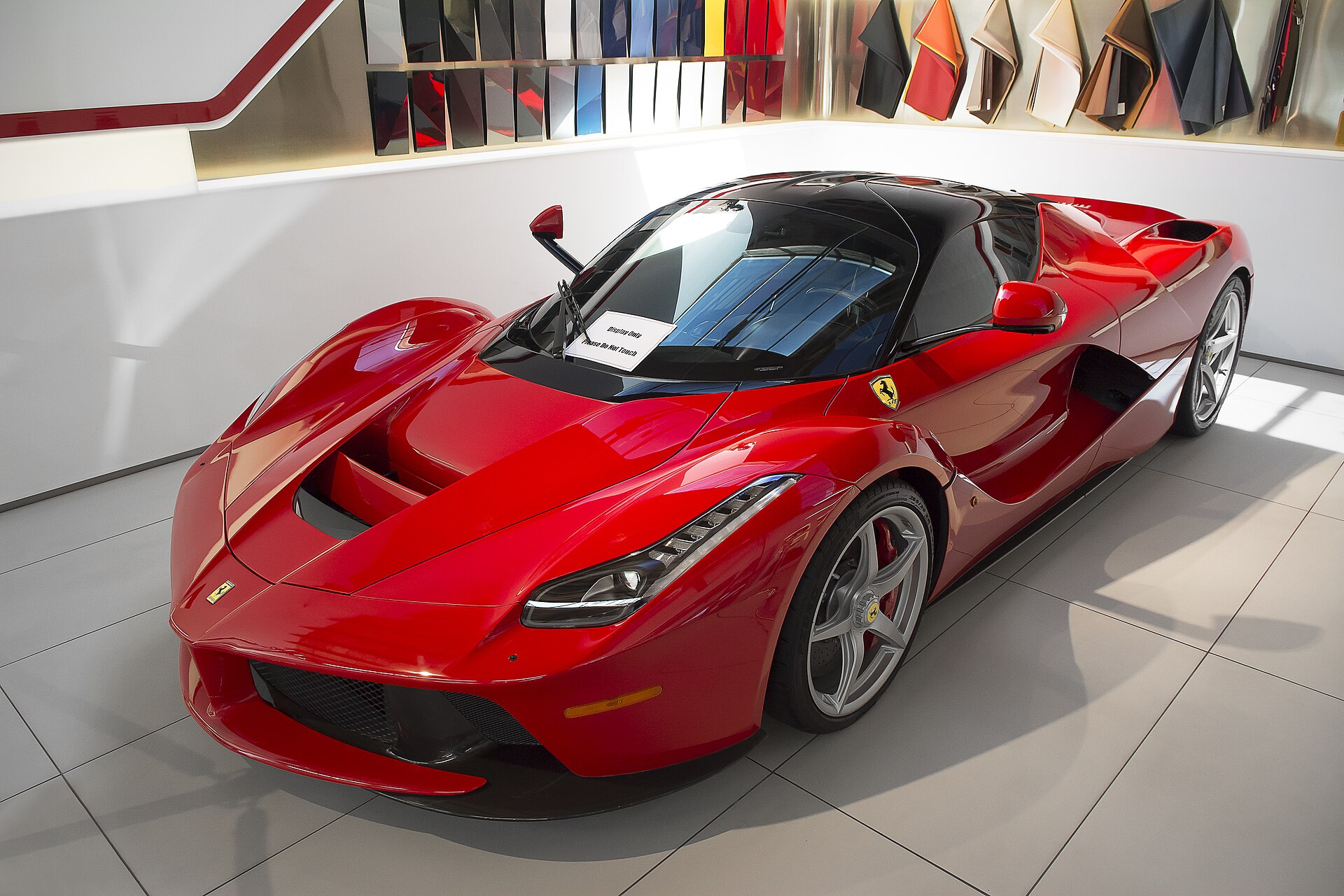
For decades, hypercars were seen purely as luxury objects: expensive, exclusive, and irrational. Today, that perception is changing. Hypercars are increasingly viewed as alternative investment assets — comparable to fine art, rare watches, or collectible wine. Limited production, cultural significance, technological importance, and extreme scarcity have transformed certain hypercars into stores of value rather than depreciating machines. This article explores why hypercars are becoming financial assets — and what that means for collectors and investors.
1. Scarcity: The Foundation of Value
Value begins with scarcity. Most hypercars are produced in:
- Fewer than 100 units
- Sometimes fewer than 20
- Often sold out before production even begins
This creates an immediate supply constraint that traditional markets cannot replicate. When demand exceeds supply permanently, depreciation becomes optional.
2. Cultural and Technological Significance
Some hypercars represent:
- The peak of internal combustion technology
- The transition to hybrid or electric performance
- Milestones in automotive engineering
These cars become historical artifacts — not just products. Collectors are not buying cars. They are buying moments in technological history.
3. Capital Migration into Tangible Assets
In an era of:
- Inflation
- Currency devaluation
- Financial market volatility
High-net-worth individuals increasingly seek tangible, scarce assets with intrinsic cultural value. Hypercars satisfy this demand:
- They are physical
- They are rare
- They are emotionally meaningful
- They are globally recognized
They function as both assets and experiences.
4. Transparency Through Auctions and Data
Unlike the past, hypercar values are now visible:
- Public auctions (RM Sotheby’s, Gooding, Bonhams)
- Online valuation platforms
- Publicized private sales
This creates:
- Market liquidity
- Price discovery
- Investor confidence
Once a market becomes transparent, it becomes investable.
5. Performance vs. Financial Performance
Not all hypercars are good investments. Factors that drive appreciation:
- Limited production
- Brand reputation
- Technological uniqueness
- Cultural impact
- Condition and mileage
- Provenance
Performance on the road does not guarantee performance in the market. Narrative matters.
6. The Risk Factor
Hypercars are not risk-free investments. Risks include:
- Market cycles
- Maintenance costs
- Storage and insurance
- Regulatory changes
- Shifts in cultural preference
They should be considered diversification tools, not core assets.
Conclusion — Machines as Meaningful Capital
Hypercars represent a unique convergence of:
- Engineering excellence
- Cultural symbolism
- Emotional resonance
- Financial scarcity
In a world where digital assets are infinite, physical perfection becomes rare. That rarity is what turns machines into assets. Hypercars are not replacing traditional investments — but they are becoming part of a new category: meaningful capital.
Related reads: Top 5 Signals for Future Car Collectibles · What It Actually Costs to Own a Supercar for One… · Porsche 911 vs BMW M4