Top 5 Signals for Future Car Collectibles
A market-minded guide to 2020s cars that could become million-dollar classics in 20 years First, a reality check: a supercar is not a guaranteed investment.
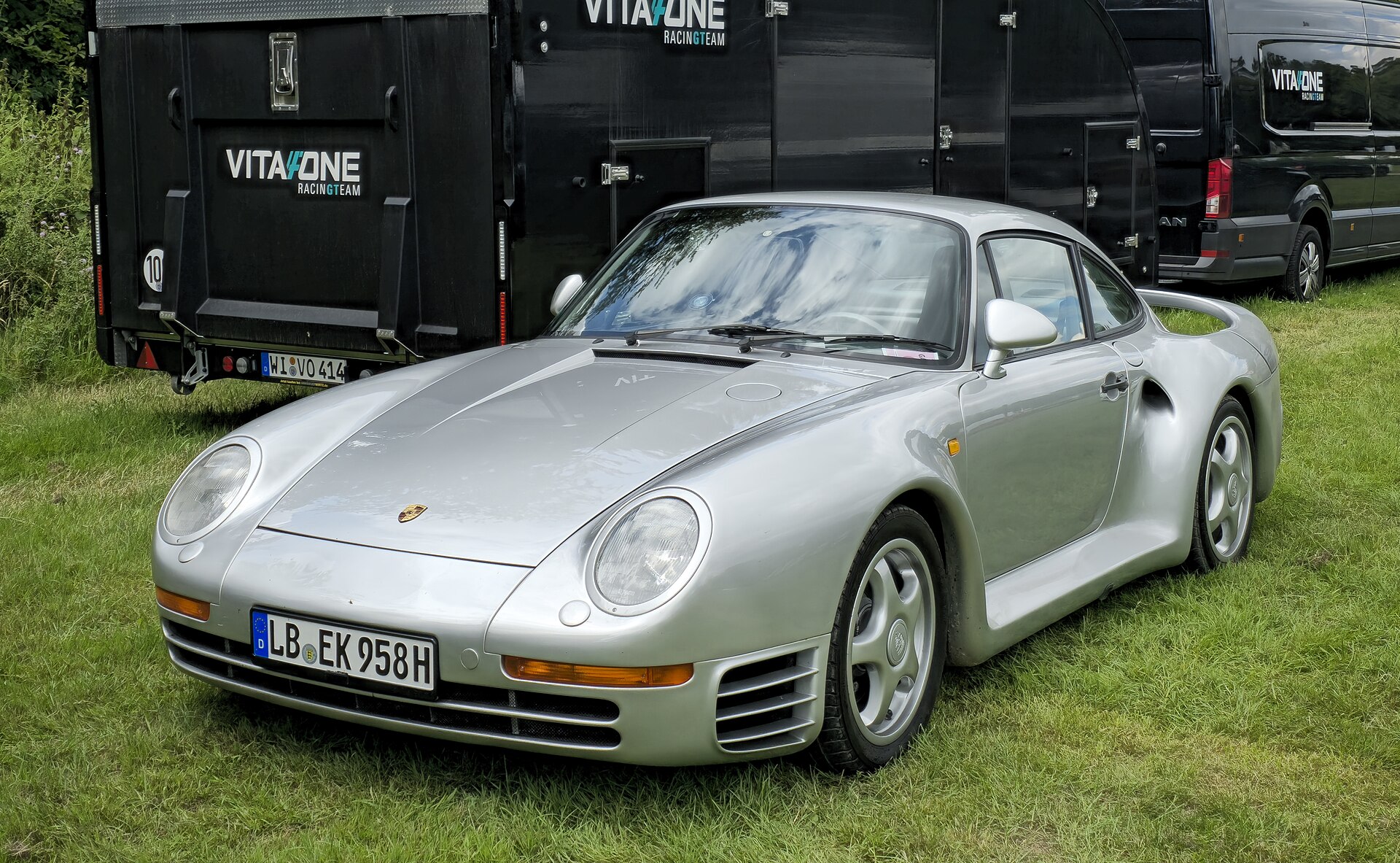
A market-minded guide to 2020s cars that could become million-dollar classics in 20 years
First, a reality check: a supercar is not a guaranteed investment. Values can swing on regulation, taxation, interest rates, brand perception, and even social trends. (For example, UK tax changes and shifting demand have been cited as factors affecting residual values for some modern Ferraris in that market.)
That said, there is a repeatable pattern behind modern cars that become seven-figure collectibles later. If you’re buying with future value in mind, you’re really buying three things:
- Significance (a “first/last/best” in a brand’s story)
- Scarcity (true limited production, not “soft limited”)
- Desirability (a shape, engine, or experience people will miss)
Below is a practical framework + a short list of models/segments that look strongest right now—with the clear disclaimer that this is market analysis, not financial advice.
The 5 signals that predict “future classic” value
1) Hard production caps (with documentation)
A real limited run (25, 99, 599, 1,963) tends to age well—especially if the model sits at a “moment” in brand history.
2) End-of-era engineering
The last of a major engine layout (W16, NA V12, high-rev manual specials) tends to become emotionally valuable when the industry moves on.
3) Factory “special series” positioning
Cars sold to VIP lists, pre-sold allocations, and halo “program” models often sit above normal depreciation curves.
4) A story you can summarize in one sentence
“Last W16 roadster.” “Manual anniversary special.” “Track-only single seater.” The best future classics have one-line mythology.
5) Spec discipline (the boring part that makes the money)
Neutral colors can help liquidity, but the bigger drivers are:
- desirable factory options / packages
- documented service history
- no accident stories
- sensible mileage (driven but not abused, unless it’s a museum-grade delivery-mile car)
Tier 1: Ultra-limited halo cars (most likely to stay seven figures)
These are already expensive, but they’re also the clearest “20-year museum” candidates because scarcity + story are undeniable.
- Bugatti W16 Mistral (99 units) — officially limited to 99 and framed as the ultimate W16-era roadster.
- Pagani Utopia Coupé (99 units) — officially stated “first series” of 99 coupés; highly collectible “craft object” profile.
- McLaren Solus GT (25 customers) — “special commission for just 25 customers,” track-only rarity tends to age well if kept correct and supported.
- Aston Martin Valkyrie (150 cars referenced by the brand) — official communication highlights 150 cars and hand-built intensity; ultra-halo positioning is strong long-term.
- Koenigsegg Jesko family (125 total) — 125 total production is explicitly stated; “innovation halo” cars often become reference points for a generation.
Buy-these-only-if rule: if you can’t maintain them correctly (battery care, software support, specialist servicing), don’t treat them as investments—treat them as art with running costs.
Tier 2: “Modern icons” you can still target (best chance to become big money)
This is where most smart “future classic” shopping happens: special, documented limited production, but not always eight-figure unobtainium.
- Porsche 911 S/T (1,963 units) — an anniversary, purist-focused, hard-capped run; exactly the kind of spec collectors hoard later.
- Ferrari SF90 XX Stradale (799) / SF90 XX Spider (599) — limited numbers and “sold out” halo logic; Ferrari itself positions this as a major “road-going XX” moment.
- Ferrari Daytona SP3 (599 units) — officially framed as a 599-car limited series; special-series Ferraris with clear storytelling often hold collector gravity long-term.
- **Lamborghini Aventador “end of an era” specials — Lamborghini explicitly framed the final Aventador as the last pure naturally aspirated V12 era before full hybridization, which is exactly the kind of “end-of-era” narrative collectors love.
What can push Tier 2 into Tier 1 later: the right spec + the right story + being “the last of something” (manual, NA, iconic engine family).
Tier 3: Wildcards (high potential, higher uncertainty)
These can become huge—or merely interesting—depending on how the world moves.
- **Audi R8 “end of production” era cars — Audi confirmed the last R8 left the line at the end of Q1 2024 as part of broader electrification strategy, which strengthens the “last of the line” narrative for the V10 supercar era.
- First-generation electric hypercars and “first of a new era” flagships — these may become historically important if the collector world reframes “soul” around technology milestones (but EV collectability is still a developing story).
Market temperature: why timing matters
Collector sentiment is not a straight line. Even enthusiasts tracking the market note mixed conditions and changing tastes going into 2026.
That’s why “buy the right car, at the right price, with the right paper trail” matters more than hype.
A practical buying checklist (so you don’t get burned)
Documentation
- Full service history
- Original delivery paperwork, books, tools
- Clean title/ownership chain
Condition
- No unknown paintwork stories
- Verified mileage consistency
- Correct tires/parts (some cars get “value-killing” mods)
Spec
- Desirable factory options/packages
- Colors that the market historically prefers for that model (not always black/white—sometimes iconic launch colors win)
Ownership strategy
- Store properly, maintain battery/fluids correctly, keep it “original-correct”
- Drive enough to keep it healthy, but don’t rack up the kind of mileage that hurts the collectible tier
If you had to choose one “buy now, hold 20 years” play, which philosophy fits you?
- Ultra-limited halo (safe scarcity, high entry cost)
- Special-series modern icon (best balance)
- Wildcard “end of era” (higher risk, potentially huge story)
Related reads: Why Hypercars Are the New Investment Trend · What It Actually Costs to Own a Supercar for One… · Porsche 911 vs BMW M4