EV Hypercars: Redefining Emotion Without Engine Sound
Is engine sound disappearing—and can emotion survive without it? For a century, the emotional language of performance cars was simple: sound = soul.
Is engine sound disappearing—and can emotion survive without it?
For a century, the emotional language of performance cars was simple: sound = soul. A V12 scream, a turbo spool, a mechanical whine—these weren’t just noises, they were feedback. They told you what the car was doing, how hard it was working, and how close you were to the edge.
Now we’re entering a new era where some of the most extreme cars on earth can be nearly silent at low speeds and eerily calm at full thrust. That scares enthusiasts for a very human reason:
If the engine is gone, what’s left to love?
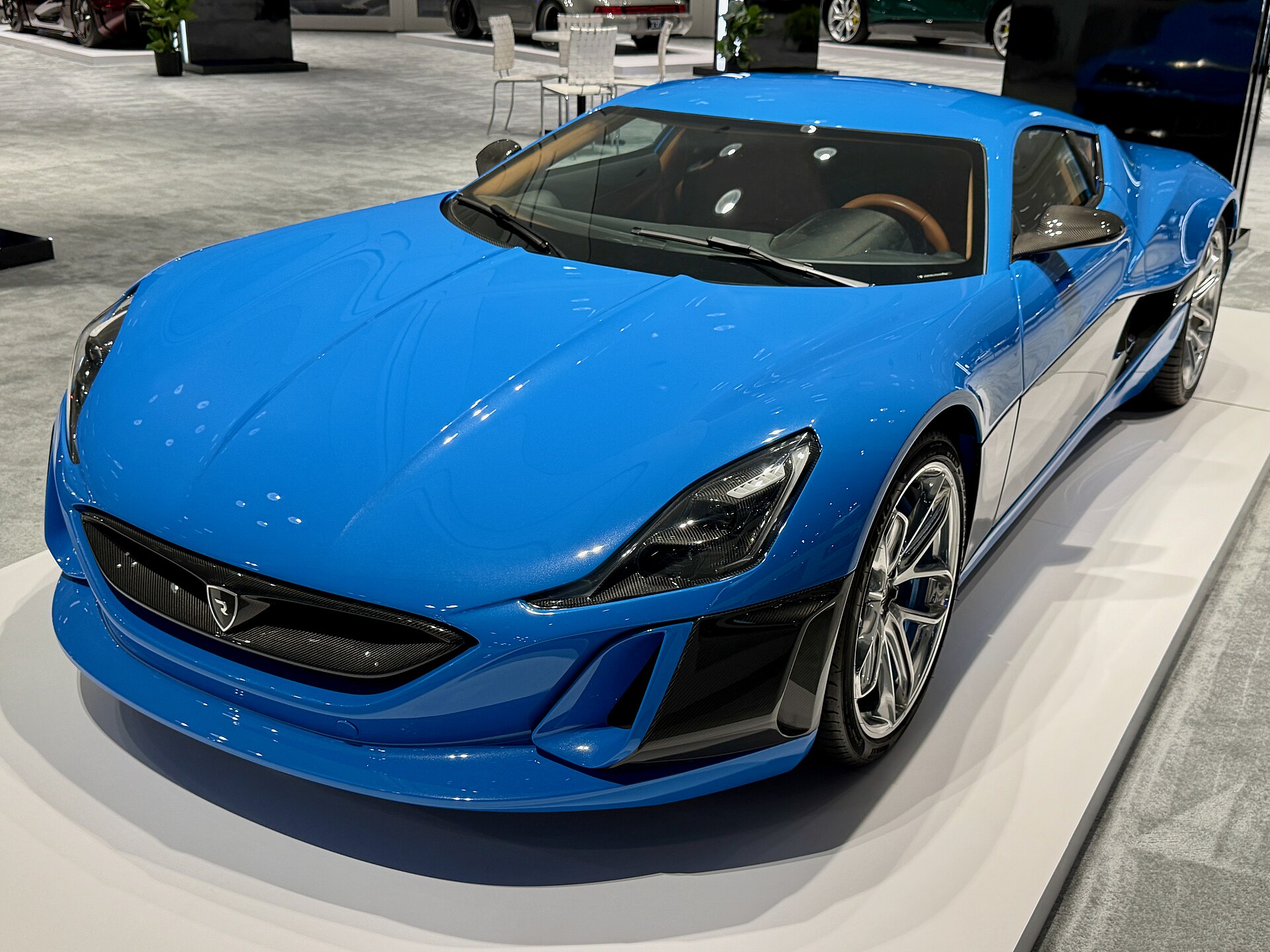
Two cars sit at the center of this debate: the Rimac Nevera and the Lotus Evija. Both are electric hypercars. Both are technical statements. And both are trying—each in its own way—to prove that emotion doesn’t require cylinders.
1) The “sound problem”: what we actually miss
When people say “EVs are boring,” they often mean one of these three things:
- No rising RPM drama
There’s no crescendo, no shift points, no mechanical build-up. - Less sensory feedback
Engine vibration and resonance are part of how your body reads speed. - Less effort (or perceived effort)
A huge EV launch can feel like teleportation. Incredible, but sometimes less theatrical.
So if EV hypercars want to feel special, they need to replace engine sound with something else—something authentic.
2) Rimac Nevera: emotion through brutality, control, and “impossible speed”
The Nevera’s emotional hook is not nostalgia. It’s awe.
The numbers are the story—and they’re real
Rimac’s published technical specs list:
- 1,408 kW / 1,914 hp total output
- Top speed: 412 km/h (258 mph)
- 0–100 km/h: 1.81 s
- ¼ mile: 8.25 s
(rimac-automobili.com, web-cdn.rimac-automobili.com)
That alone creates a new kind of emotion: fear mixed with fascination. The Nevera doesn’t try to seduce you with noise. It shocks you with capability.
Where the “feeling” comes from in the Nevera
A) Instant torque as physical drama
You don’t “build speed,” you experience a clean, relentless force that keeps pulling long after your brain expects it to fade.
B) Quad-motor torque vectoring = a new kind of control
One of the most emotional things a car can do is make you feel like a hero. The Nevera’s per-wheel power control can create insane traction and stability, letting you deploy huge power more often, more safely.
C) A high-speed confidence that feels unreal
The emotional signature becomes: “How is this even possible on a road car?”
So for Rimac, the solution to the missing engine sound is simple: replace the soundtrack with the sensation.
3) Lotus Evija: emotion through design, aero artistry, and “driver-first” intent
The Evija plays a different game. Lotus understands that enthusiasts don’t only want speed—they want identity and feel.
The Evija’s core statement: “Carved by Air”
Lotus frames the Evija as a car shaped by aerodynamics and minimal mass thinking, with its bodywork designed around airflow and dramatic Venturi tunnels. (lotuscars.com)
The headline performance promise
Lotus press material and product pages commonly describe:
- 1,500 kW / 2,039 PS (4 × 375 kW)
- 1,704 Nm torque
- 0–100 km/h (0–62 mph): under 3 seconds
(lotuscars.com)
Where the “feeling” comes from in the Evija
A) Emotional design as storytelling
The Evija looks like a concept car that escaped the auto show. That visual drama becomes a substitute for engine drama: you feel something before you even drive it.
B) Driver-first philosophy
Lotus explicitly positions the cockpit and control layout around track-style clarity and function. (lotuscars.com)
C) The promise of a “Lotus-like” connection
Lotus’s brand heritage is built on steering feel, balance, and the sensation of lightness. Even if EV mass is a reality, the Evija’s emotional mission is to preserve the Lotus idea: precision over brute force.
So for Lotus, the solution to missing engine sound is: replace it with design + driver-centric connection.
4) So… how do EV hypercars create emotion without sound?
Emotion isn’t one thing. It’s a layered experience. Here are the tools EV hypercars use instead of engine noise:
1) Acceleration as a “new soundtrack”
In an ICE car, the sound rises with speed. In an EV hypercar, the soundtrack becomes:
- the whistle of airflow,
- tire noise,
- the subtle motor whine under load,
- and the physical sensation of sustained thrust.
2) Control as drama
Torque vectoring, traction management, and stability at speed can be emotionally addictive because they change the way you drive. The car feels like it’s thinking with you, not just reacting.
3) Design as emotional language
EV hypercars often lean harder into sculptural form because they can’t rely on sound to announce themselves. The Evija is the clearest example of this. (lotuscars.com)
4) The feeling of “future technology made real”
The Nevera’s engineering becomes emotional because it feels like a breakthrough you can touch.
5) Rimac vs Lotus: two answers to the same question
If we reduce the comparison to a simple truth:
- Rimac Nevera is emotion through physics-breaking performance and control. (rimac-automobili.com)
- Lotus Evija is emotion through aero artistry and the Lotus promise of driver focus. (lotuscars.com)
Both aim to keep the hypercar “soul,” but they define soul differently:
- Rimac: awe, shock, domination
- Lotus: beauty, purity, connection
Is engine sound really disappearing?
From a cultural point of view: yes, the center of gravity is shifting. But from an enthusiast point of view, something interesting is happening:
We’re learning that the “soul” of a car was never only the noise.
It was the feedback loop between driver and machine.
EV hypercars are forced to rebuild that loop in new ways—through torque control, aero behavior, steering tuning, and the raw sensation of speed. Some will feel sterile. The best ones will feel like the beginning of a new myth.
Which kind of emotion do you prefer in a hypercar?
- Rimac style: terrifying acceleration + software mastery
- Lotus style: design drama + driver-first intent
Comment your pick
Related reads: Rimac Hypercars · Rimac Nevera · Lotus Evija