Kimera K39: An F40-Inspired Italian Hypercar With a Koenigsegg Heart
Every so often a car comes along that seems engineered specifically to set enthusiasts' hearts racing — a greatest-hits compilation of everything we love about a golden era, rebuilt with modern engineering.
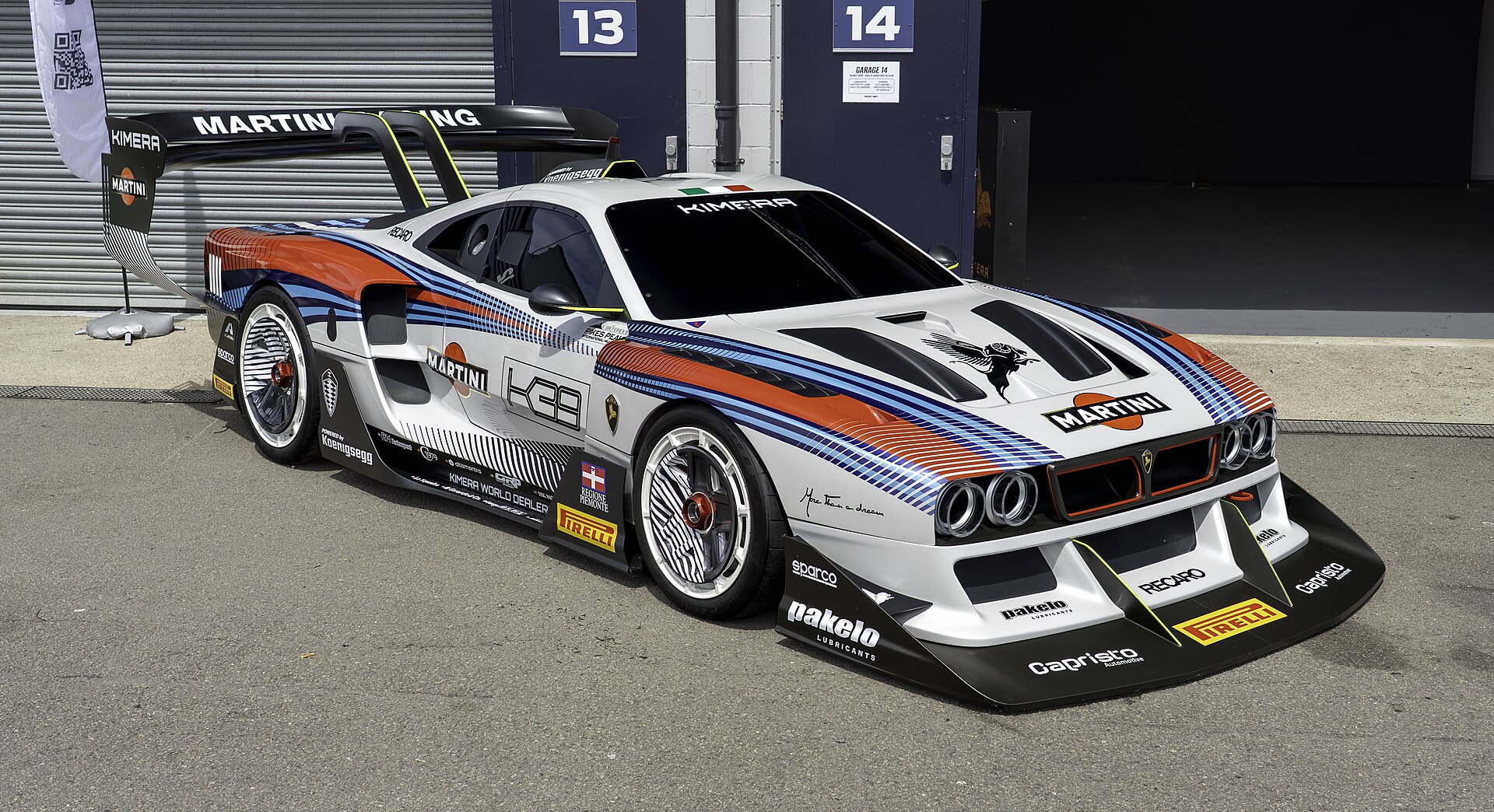
Every so often a car comes along that seems engineered specifically to set enthusiasts’ hearts racing — a greatest-hits compilation of everything we love about a golden era, rebuilt with modern engineering. The Kimera K39 is exactly that car. It is a brand-new Italian hypercar, it borrows its styling from the wildest days of motorsport, and — most remarkably of all — it is powered by an engine from Koenigsegg.
From restomod specialists to ground-up hypercar
Kimera is not a household name yet, but enthusiasts will know it for the Evo 37 and Evo 38 — gorgeous reinterpretations of the Lancia 037 rally legend. The K39 is a different kind of project entirely. Rather than reworking an existing platform, Kimera has built this car from the ground up around a bespoke carbon-fibre monocoque. This is a clean-sheet hypercar, not a restomod, and it signals serious ambition from the small Italian firm.
A design love letter to the 1980s
If the K39 looks like it stepped out of a poster on a teenager’s bedroom wall circa 1988, that is entirely the point. The exterior design is heavily inspired by Lancia’s Group B rally cars, with a strong dose of Ferrari F40 thrown in. It has dramatically flared wheel arches, massive intakes carved into the rear fenders, and — be still, our hearts — pop-up headlights. The rear end is pure F40 homage: a fixed rear wing, fenders with four vertical slats, and a flat rear fascia that any child of the eighties will recognise instantly. It is unashamedly nostalgic, and all the better for it.
A Jesko engine, retuned
Here is where the K39 gets truly special. Mounted in the rear-mid position is a 5.0-litre twin-turbo V8 sourced from the Koenigsegg Jesko — one of the most advanced engines on the planet. Kimera has not simply dropped it in; the unit has been retuned specifically for this car, with smaller turbochargers and bespoke intakes and exhaust. The result is 1,000 hp and 885 lb-ft of torque. Crucially, that power is sent through a 7-speed manual gearbox as standard, with a sequential paddle-shift available as an option.
The manual gearbox is the headline
In an age when even the most hardcore hypercars have abandoned the clutch pedal, offering a manual on a 1,000 hp car is a genuine statement. It tells you everything about who the K39 is for: drivers who want to be involved, who relish the mechanical theatre of rowing through gears, who measure a car not just by its lap time but by how it makes them feel. Pairing that old-school transmission with a thoroughly modern Koenigsegg engine is a bold, almost romantic decision.
Rarity and ambition
The K39 will be produced in limited numbers — Kimera has not disclosed exactly how many — and it arrives as a fascinating example of the boutique hypercar boom. Small, focused manufacturers are increasingly able to build extraordinary machines by combining bespoke chassis with proven powertrains from established players. The K39’s Kimera-Koenigsegg partnership is a perfect illustration: a tiny Italian firm with big ideas, married to one of the world’s great engine makers. The outcome is a car that feels both fresh and gloriously familiar.
Pop-up headlights, a manual gearbox and a Koenigsegg V8 — is the Kimera K39 the ultimate enthusiast’s hypercar? Let us know.
Where to find official images: Kimera Automobili — kimera-automobili.com (press/media section) and the brand’s official channels. For a 1,000 hp limited-production car, official imagery is the safest route; request press access if needed. Credit as the maker specifies.
Related reads: Koenigsegg CCGT+ · How Pagani and Koenigsegg Redefined Supercar… · Koenigsegg Jesko Absolut