How to Buy a Sports Car from Another Country — The Complete Guide (2026)
Import the Car You Want, Not Just the Car Available Near You.
Import the Car You Want, Not Just the Car Available Near You.
The sports car you’ve been searching for months is sitting in a dealership 3,000 miles away — perfect spec, perfect color, perfect price. The only problem: it’s in another country. Good news: importing a sports car is entirely doable. People do it every day. But the process involves paperwork, costs, and potential pitfalls that can turn a great deal into an expensive mistake if you go in unprepared. This guide walks you through every step — from finding the car to driving it home legally.
Why Import a Sports Car?
There are three main reasons enthusiasts look beyond their own borders: Better selection — Some markets get specifications, colors, and limited editions that never reach others. Japan, Germany, and the UK regularly receive variants unavailable elsewhere. Better prices — Currency fluctuations and market demand create genuine price differences between countries. A used Porsche 911 in Japan can cost 20–30% less than the identical car in the US or Australia. Rare and JDM models — Certain cars were never officially sold outside their home market. The Nissan Skyline GT-R, Honda NSX Type R, and Toyota Supra RZ are classic examples of cars that attract premium prices precisely because importing them requires effort.
Step 1 — Know Your Import Rules Before You Fall in Love with a Car
Every country has different import regulations. Research yours thoroughly before you find the car — not after.
United States
The US has one of the most complex import frameworks in the world. The 25-Year Rule: Any vehicle 25 years or older can be imported as a collector car without needing to meet current safety or emissions standards. This is why Japanese imports — Skylines, NSX Type Rs, older Supras — are increasingly popular and legal. Vehicles under 25 years old must comply with Federal Motor Vehicle Safety Standards (FMVSS) and EPA emissions requirements. This typically requires expensive modifications performed by a Registered Importer (RI) — costs range from $5,000 to $20,000+ depending on the vehicle. DOT and EPA compliance must both be confirmed before the car ships.
European Union
EU citizens importing from outside the bloc face import duty (currently 6.5% on passenger vehicles) plus VAT. However, importing between EU member states is straightforward — no duties, no compliance modifications required. This makes cross-border purchases within Europe relatively simple. Importing from the UK post-Brexit now involves customs duties for EU buyers — factor this into your budget.
United Kingdom
The UK charges 6.5% import duty on vehicles from outside free trade agreement countries, plus 20% VAT. Vehicles must meet UK type approval requirements. Cars from other right-hand drive markets — Japan, Australia — often require minimal modifications.
Australia
Australia’s import rules changed significantly in 2018. The Specialist and Enthusiast Vehicle Scheme (SEVS) governs most private imports. Vehicles must appear on the SEVS register, be at least 25 years old, or qualify under specific low-volume provisions. A registered automotive workshop must perform a compliance inspection.
Step 2 — Find the Car
Domestic auction houses with international listings
- BringATrailer.com — excellent for US-market cars with full history documentation
- Cars & Bids — younger audience, strong for modern enthusiasts cars
- JDMAuctions / Japan Car Direct — access to Japanese auction houses including USS, TAA, and JAA
Specialist importers
For Japanese domestic market (JDM) vehicles specifically, established importers handle the entire process — sourcing, shipping, compliance, registration. Companies like JM Imports, Toprank, and Japan Partner have long track records. Using a specialist costs more but significantly reduces risk.
Direct from overseas dealers
Possible, but requires more due diligence. Request a full independent inspection report — companies like SGS and Bureau Veritas perform pre-purchase inspections internationally. Never buy a car sight-unseen without one.
Step 3 — Verify the Car’s History
This step is non-negotiable regardless of where the car comes from. For Japanese imports: Request the auction sheet — Japanese auction houses grade every car on a standardised scale (Grade 4.5 or 5 is excellent). The sheet documents every scratch, dent, and mechanical issue. Learn to read auction grades before bidding. For US cars: Run a Carfax and AutoCheck report using the VIN. Both services cover accident history, title status, odometer readings, and service records. For European cars: HPI Check (UK) or equivalent national databases verify finance outstanding, stolen status, and written-off history. Get an independent inspection in all cases — $150–$300 well spent.
Step 4 — Calculate the True Cost
This is where most first-time importers make mistakes. The purchase price is just the beginning.
| Cost Item | Typical Range |
|---|---|
| Purchase price | Varies |
| Export certificate / deregistration | $100–$500 |
| International shipping (container) | $1,500–$4,500 |
| Marine insurance | 1–2% of car value |
| Import duty | 0–6.5% depending on country |
| VAT / GST | 0–25% depending on country |
| Customs broker fees | $300–$800 |
| Compliance / modification costs | $500–$20,000 |
| Local registration | $200–$1,000 |
| Total additional costs | $3,000–$30,000+ |
A car that looks $10,000 cheaper than the local market equivalent can easily end up costing the same or more once all costs are included. Run the full numbers before committing.
Step 5 — Arrange Shipping
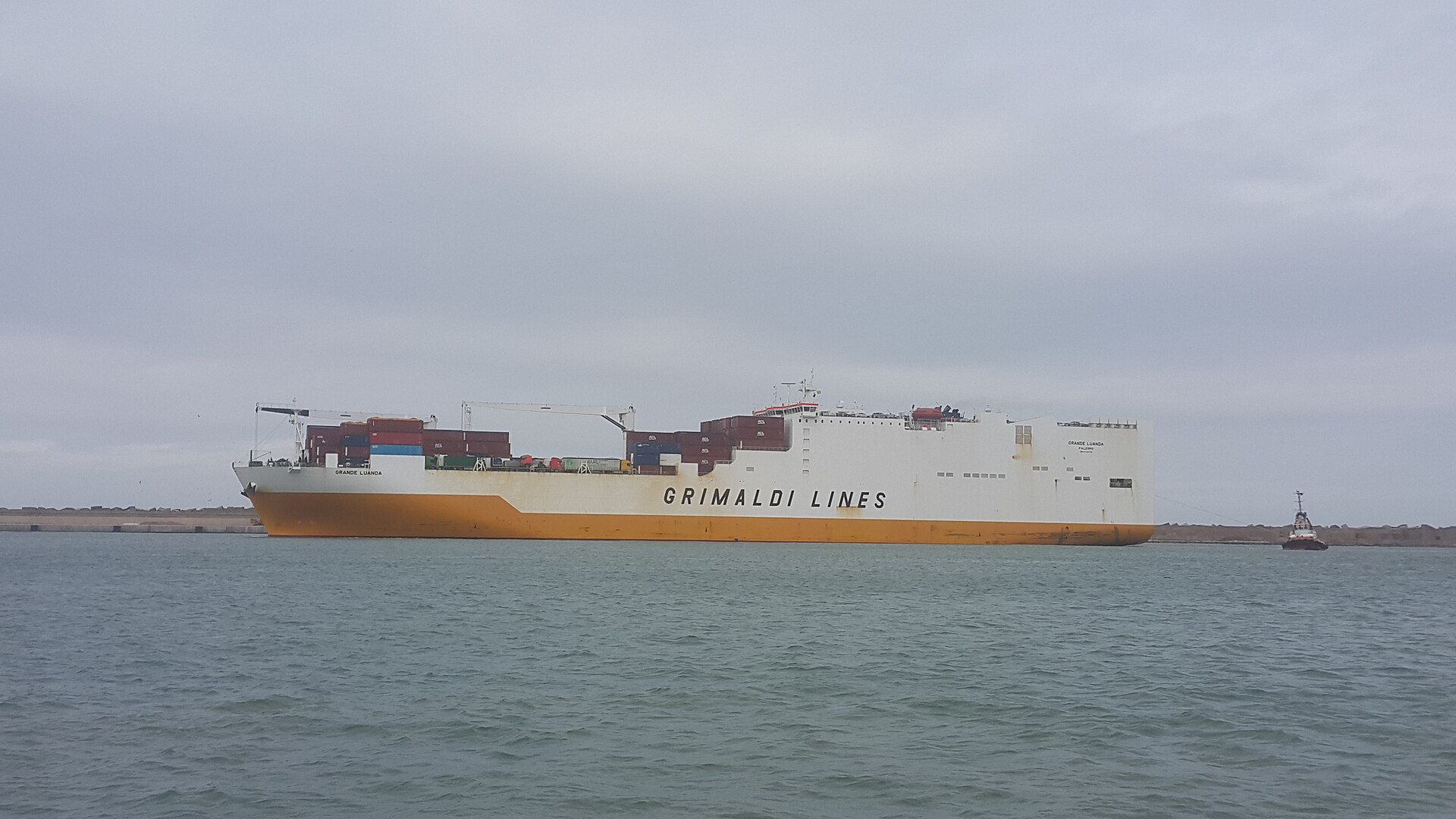
Container shipping vs RoRo
Container shipping places your car inside a sealed metal container — maximum protection, higher cost ($2,500–$4,500 for most routes). Recommended for valuable or pristine vehicles. RoRo (Roll-on Roll-off) ships the car on an open vehicle carrier deck — cheaper ($1,500–$2,500) but the car is exposed to sea air and other vehicles on deck. Acceptable for most sports cars, less ideal for fully restored classics.
Shipping timeline
- Japan to US West Coast: 3–4 weeks
- Europe to US East Coast: 2–3 weeks
- UK to Australia: 6–8 weeks
- Japan to Australia: 2–3 weeks
Always factor in port processing time — typically 1–2 weeks additional after arrival.
Step 6 — Clear Customs
Work with a licensed customs broker in your country — typically $300–$800 and worth every cent. They handle the paperwork, know the current duty rates, and prevent costly delays at the port. Documents typically required:
- Original title / export certificate
- Bill of lading from the shipping company
- Purchase invoice
- Insurance certificate
- Compliance documentation (country-specific)
Step 7 — Compliance and Registration
This varies dramatically by country and vehicle age. In the US, pre-25-year vehicles require the most work — a Registered Importer must certify the car meets FMVSS standards, which may involve modifications to lighting, bumpers, speedometer, and emissions equipment. In most cases, hiring a specialist compliance workshop is the only practical option. Get quotes from multiple workshops before committing.
The Best Countries to Import From
| Source Market | Best For | Notes |
|---|---|---|
| Japan | JDM legends, low-mileage used cars | Outstanding documentation standards, honest auction grades |
| Germany | European sports cars, rare AMG/M variants | Strong dealer network, full service histories |
| United Kingdom | Right-hand drive markets (AUS, NZ, JP) | Post-Brexit affects EU imports |
| United States | American muscle, low-mileage late models | Strong Carfax history documentation |
Common Mistakes to Avoid
Buying without an independent inspection. Photos lie. An inspection report doesn’t. Underestimating compliance costs. Always get a compliance quote before purchasing — especially for sub-25-year US imports. Using sea freight without marine insurance. Ships sink. Containers fall overboard. Insure the car. Ignoring currency risk. If payment is due in 60 days and the exchange rate moves 5%, your bargain evaporates. Consider a forward exchange contract for large purchases. Rushing the process. Import paperwork has zero tolerance for errors. One wrong document means weeks of delays and potential storage fees at the port.
Is It Worth It?
For rare, sought-after, or market-specific vehicles — absolutely. A genuine low-mileage Honda NSX, a right-spec Porsche GT3, a Japanese-market Nissan Skyline — these are cars you simply cannot find locally at any price. The import process is an investment in getting exactly the car you want. For more common vehicles where local alternatives exist — run the full cost comparison first. The import advantage needs to be substantial to justify the complexity. Do it right, and you’ll have a car with a story worth telling. Do it wrong, and you’ll have an expensive lesson.
Related reads: What It Actually Costs to Own a Supercar for One… · Buying Guide · Best Used Sports Cars Under $30,000 in 2026