JDM vs Muscle: The Fast Debate Explained
Lightweight tech and corner speed vs big V8 torque and quarter-mile dominance Ask ten car people what “fast” means and you’ll get ten different answers.
Lightweight tech and corner speed vs big V8 torque and quarter-mile dominance
Ask ten car people what “fast” means and you’ll get ten different answers. But the most entertaining split is this:
- JDM performance (Japan) tends to worship precision: lighter feel, clever engineering, balance, and the art of carrying speed through corners.
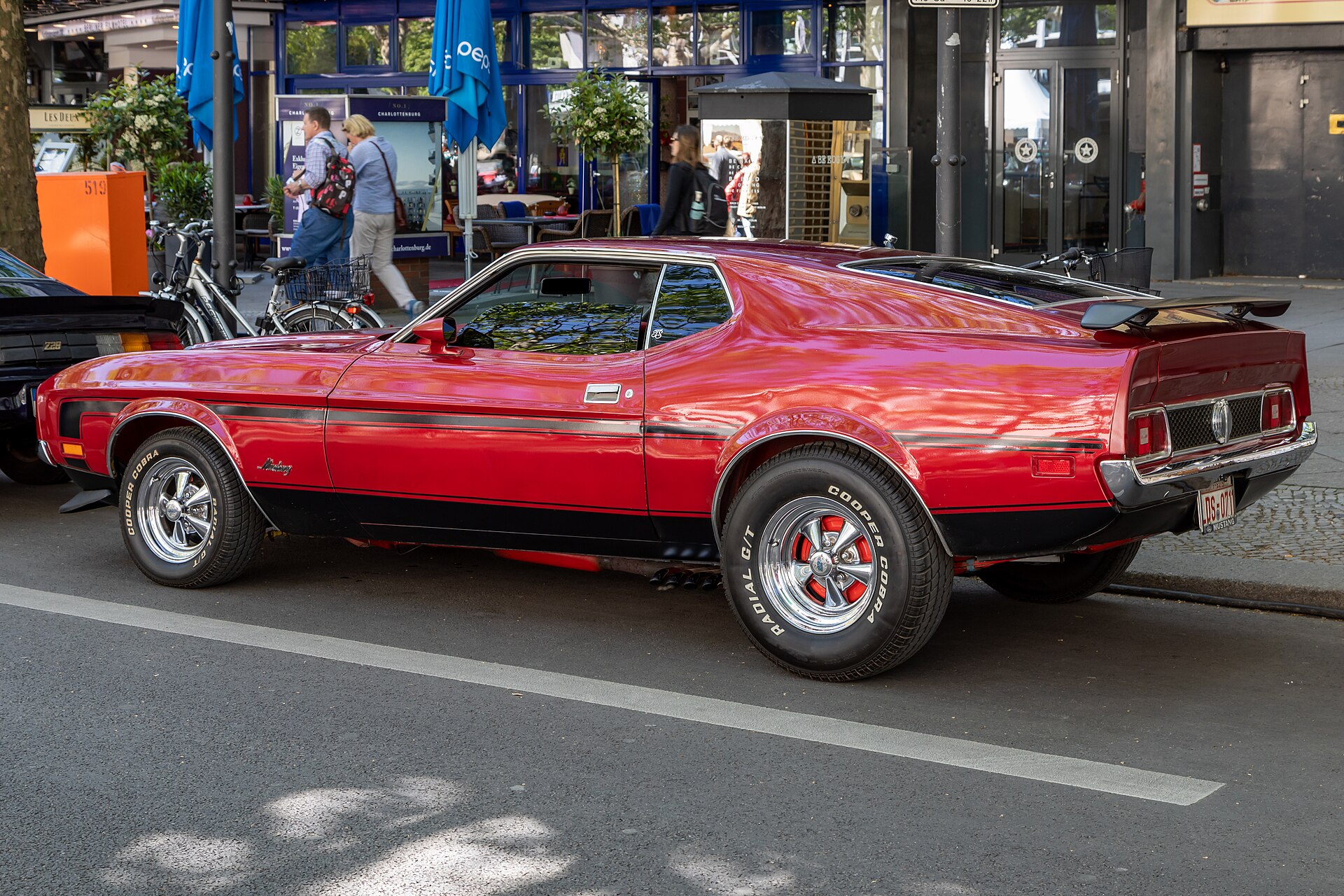
- American muscle tends to worship power: big displacement, massive torque, straight-line violence, and an engine note that feels like thunder.
Neither is “better” in a vacuum. They’re different philosophies built around different roads, different histories, and different cultural values.
Let’s break down the rivalry properly.
1) The core philosophies
JDM: speed through efficiency and control
Classic JDM performance cars often focus on:
- lower weight (or at least lighter feel)
- high-rev engines and turbo tuning potential
- advanced drivetrains (AWD systems, torque vectoring, clever diffs)
- chassis balance for technical roads and circuits
They’re typically designed to feel “alive” at real-world speeds—especially on tight mountain roads and short, technical tracks.
Muscle: speed through torque and simplicity
Muscle cars traditionally focus on:
- big V8 displacement
- instant, effortless torque
- strong straight-line acceleration
- accessible performance per dollar
Even modern American performance cars that handle extremely well still carry this DNA: the engine is the star, and the car is built to deliver a punch that feels physical.
2) Engines: high-rev intelligence vs big-cube brutality
JDM engine personality
Many iconic Japanese engines are famous for:
- strong top-end power delivery
- turbo scalability (boost is a lifestyle)
- mechanical resilience and tuning headroom
- “precision feel” rather than brute shove
Think of the emotional signature as:
spool → surge → grip → exit speed.
Muscle engine personality
The V8 muscle signature is:
- immediate torque at low RPM
- fewer revs, more shove
- power you feel in your chest, not just on a dyno sheet
Think of it as:
idle rumble → throttle = instant force → tires negotiate your choices.
3) Handling culture: corners vs quarter-mile
JDM’s natural habitat: corners
JDM performance culture grew alongside:
- tight roads and mountain passes
- compact circuits
- a strong emphasis on balance and driver feel
- tuning that prioritizes traction and response
This is why you see so much talk around:
- suspension geometry
- differential behavior
- alignment specs
- brake feel
- “rotation” and mid-corner stability
Muscle’s home turf: straight-line dominance
American muscle culture is rooted in:
- long highways
- drag strips
- accessible power upgrades
- an obsession with ET (elapsed time) and trap speed
The quarter-mile became the ultimate proving ground:
- It’s measurable
- It’s repeatable
- It rewards torque, gearing, and traction
A muscle car doesn’t need a mountain road to feel thrilling—it can deliver drama in a straight line with half the effort.
4) Tuning philosophies: “build the system” vs “add power”
This is a fun and important difference.
JDM tuning often looks like:
- turbo upgrades
- fueling + ECU + boost control
- intercoolers + heat management
- drivetrain strengthening
- suspension/diff tuning to deploy power in corners
The mindset is systems-based: everything needs to work together.
Muscle tuning often looks like:
- displacement upgrades or forced induction (superchargers/turbos)
- cam + headers + intake + tune
- gearing + tires
- strengthening driveline parts for launches
The mindset is direct: make more torque, put it down, repeat.
5) The driving experience: where each one feels best
JDM feels best when:
- the road is technical
- you want feedback through the steering and chassis
- you’re chasing flow and rhythm
- you enjoy building speed, not just deploying it
Emotion style: precision, confidence, momentum.
Muscle feels best when:
- you want instant acceleration
- you love noise, vibration, and drama
- you want effortless speed anywhere
- you enjoy the “big engine” sensation more than finesse
Emotion style: power, presence, intimidation.
6) Modern reality: the gap is smaller than ever
Here’s the twist: modern performance cars are blurring the old stereotypes.
- American cars can now corner brutally well (thanks to chassis engineering, tire tech, aero, and electronics).
- Japanese cars have also grown heavier and more complex—but often compensate with advanced AWD systems and torque management.
So the cultural divide remains, but the performance overlap is bigger than it’s ever been.
7) Which world is “better”?
It depends on what you want from your car life.
Choose JDM if you want:
- technical driving satisfaction
- tuning culture built on balance and cleverness
- the “I earned that speed” feeling
Choose muscle if you want:
- addictive torque and sound
- straight-line dominance
- performance that feels effortless and physical
Or be honest: the best garage has both.
Call to action
If you had to pick one forever:
- JDM corner-carver (precision + tech + curves)
- Muscle quarter-mile king (V8 + torque + drama)
Comment your pick and your reason
Related reads: The Battle of Giants · How Fast & Furious Elevated the Nissan Skyline… · Nissan Skyline History