Your First Track Day — Everything You Need to Know Before You Go
The Most Fun You Can Have Legally. Here's How Not to Ruin It.
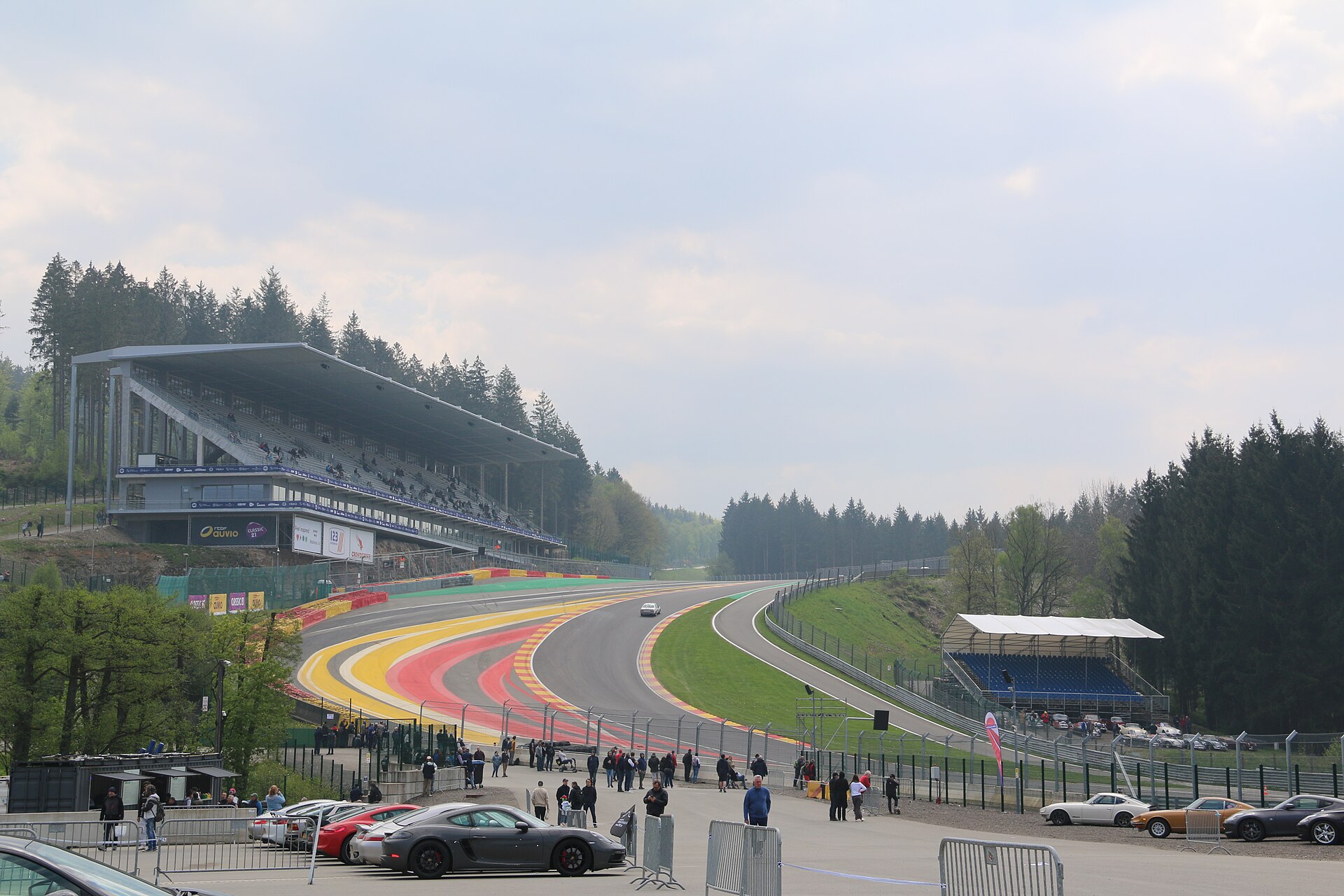
The Most Fun You Can Have Legally. Here’s How Not to Ruin It.
A track day is the moment everything changes. The moment you realise your sports car has been living at 40% of its capability on public roads. The moment driving stops being something you do and starts being something you practice.
But a first track day can also be overwhelming, expensive, and genuinely dangerous if you show up unprepared. This guide tells you exactly what to do, what to bring, what to expect — and what not to do.
What Actually Happens at a Track Day
A track day is a privately organised event where paying participants drive on a closed racing circuit without the constraints of public road limits. There are no timed laps in most novice sessions — this is not a race. It’s a controlled environment to explore your car’s capabilities safely, learn driving technique, and have an enormous amount of fun.
Most track days are organised by driving clubs, car manufacturers, or specialist companies. They typically run from 8am to 5pm with participants divided into groups by experience level. Each group gets rotating track sessions of 15–20 minutes throughout the day.
Choosing Your First Track Day
Not all track days are equal. For your first experience, prioritise novice-friendly organisers, a circuit with long straights and wide runoff areas, small group sizes, and reasonable entry fees. Your first track day does not need to be at a famous circuit like the Nürburgring — learn the basics anywhere, then work up to the legendary venues.
Preparing Your Car — The Non-Negotiables
Arriving at a track day with a poorly prepared car is dangerous and expensive. Every event includes a technical inspection — fail it and you don’t drive.
Brakes — Your Most Important System
Standard road brakes are not designed for sustained high-speed braking. On track, you will brake harder and more frequently than you ever do on public roads. Standard brake fluid absorbs moisture over time and can boil under sustained track use — causing brake fade or complete brake failure. Cars like the Porsche 911 GT3 RS and Ferrari 488 Pista use carbon ceramic brakes specifically designed for this kind of abuse.
Before your first track day:
- Flush and replace brake fluid with a high-temperature fluid — Motul RBF 600 or ATE Type 200 are widely used
- Inspect brake pad thickness — minimum 4mm remaining, 6mm+ preferred
- Check brake discs for scoring, cracks, or uneven wear
- Inspect brake lines for any signs of wear or leaking
Tyres
Your tyres are the only contact point between your car and the track. Minimum 3mm tread depth, no uneven wear or bulges. Set tyre pressures 2–3 PSI lower than road settings before going on track — they will expand with heat.
Fluid Levels
Check and top up everything: engine oil, coolant, brake fluid, power steering fluid, and windscreen washer fluid.
Loose Items
Every loose item inside your car becomes a projectile under hard braking. Remove floor mats, sat-nav units, coins, sunglasses, water bottles, and empty the boot entirely.
What to Bring
Essential: Helmet (ECE 22.06, Snell SA2020, or FIA 8859-2015 rated), valid driving licence, booking confirmation, water, food, sunscreen.
Strongly recommended: Neck brace or HANS device, driving gloves, flat-soled shoes, long trousers, earplugs, and a notebook to write down what your instructor tells you after each session.
Useful: Tyre pressure gauge, torque wrench, basic tool kit, gaffer tape (covers headlights at many events), and a GoPro mount for in-car footage.
The Driving Technique Fundamentals
The Racing Line
The fastest way around any corner involves braking in a straight line before the corner, turning in later than feels natural, hitting the apex at the correct point, and applying power smoothly on the exit. The goal is to make every corner as large and smooth as possible. Understanding this is also the key to appreciating why factory-developed track cars like the McLaren 600LT and GT3 RS have such aggressive aero setups — every component optimises this sequence.
Braking
On a race track, braking happens in a straight line — always. Braking while turning loads the tyres unevenly and reduces grip dramatically. This feels deeply unnatural at first. It becomes instinctive quickly.
Smooth Inputs
The fastest drivers are not the most aggressive — they are the smoothest. Every input should be progressive: squeeze the brakes on, unwind the steering gradually, apply the throttle smoothly from the apex. This is why active aerodynamics systems in modern supercars are designed around smooth, predictable driver inputs.
Vision
Look further ahead than feels comfortable. Your eyes should be focused on the apex as you approach the braking zone, on the exit as you pass the apex, and on the next braking marker as you exit.
Track Day Etiquette — The Unwritten Rules
Point-by rules — when a faster car catches you, indicate with your hand pointing to the side you’re letting them pass. Do this at a safe, straight section of track — never in a corner.
No contact — ever — track days are not races. Contact between cars is always the responsibility of the car behind and results in immediate exclusion.
Yellow flags mean slow down — a marshal waving a yellow flag means there is a hazard ahead. Slow down, no overtaking, be prepared to stop.
Cool your brakes after the session — drive slowly around the paddock for 1–2 minutes after your session ends before parking.
The Cost of a Track Day — Full Breakdown
| Item | Cost |
|---|---|
| Entry fee | $150–$600 |
| Helmet (if buying) | $200–$600 |
| Brake fluid flush | $80–$150 |
| Performance brake pads (optional) | $150–$400 |
| Tyre wear (per event) | $50–$200 |
| Fuel (sports cars use significantly more on track) | $80–$200 |
| Total first track day | $500–$1,500 |
Subsequent events cost significantly less once you own a helmet and have upgraded consumables. For the full picture of what owning a performance car costs annually, see: What It Actually Costs to Own a Supercar.
Final Word
A track day will permanently change how you think about driving. The skills you develop — vision, smoothness, car control — make you a better and safer driver on public roads.
Book the novice event. Accept that you will be slow. Bring water. Listen to your instructor. Then come back next month and do it again.
Have you done a track day? What car did you take and what surprised you most? Tell us in the comments.
Related reads: Porsche 911 GT3 RS · Ferrari 488 Pista · McLaren 600LT · Nürburgring: The Green Hell · Supercar Ownership Costs · Best First Sports Car 2026