Why Modern Supercars Feel More Like Luxury Tech Than Raw Machines
Modern supercars are faster, smarter, and more advanced than ever before. They deliver incredible acceleration, extreme handling, and world-class design.
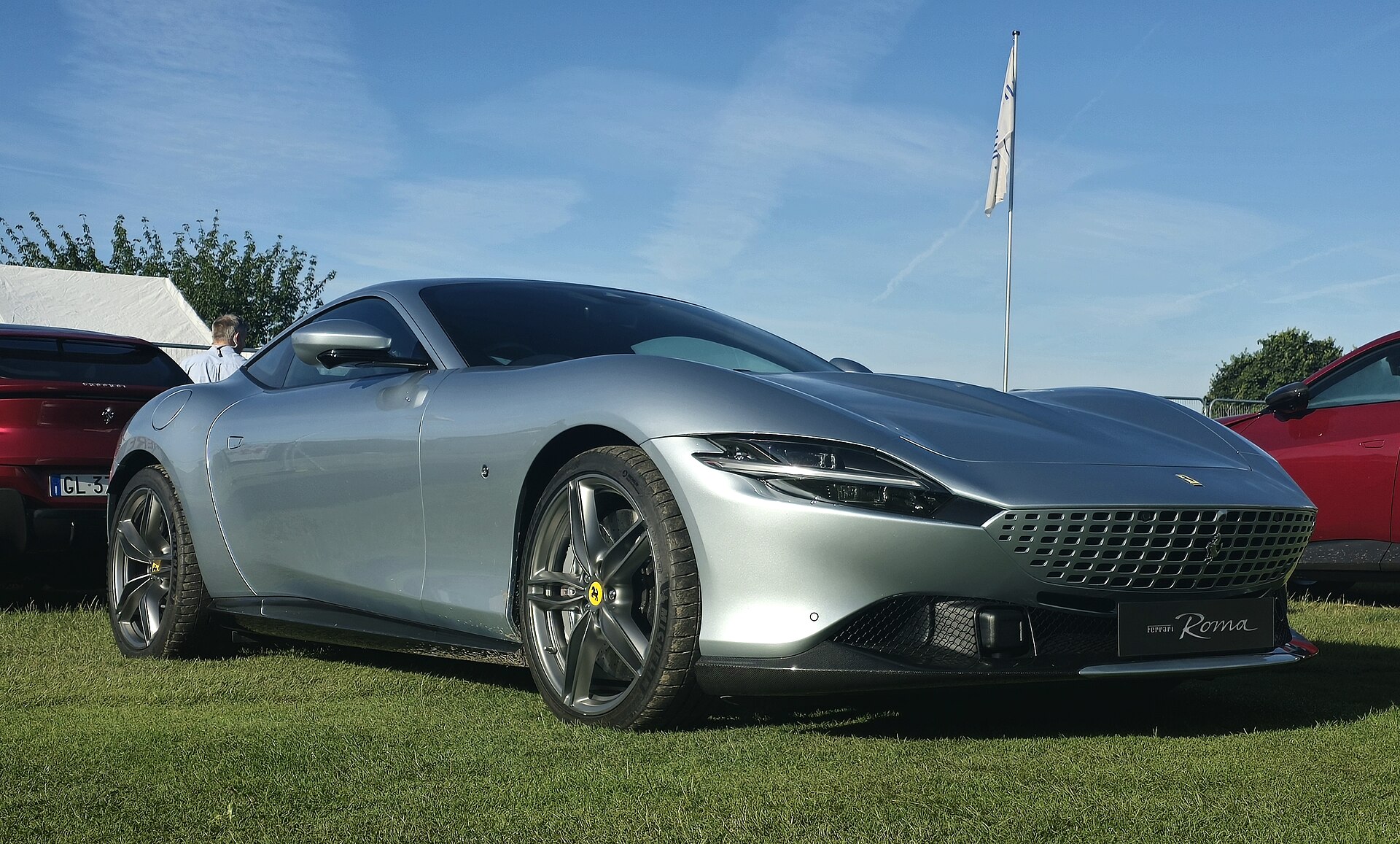
Modern supercars are faster, smarter, and more advanced than ever before. They deliver incredible acceleration, extreme handling, and world-class design. But for many enthusiasts, there is one question that keeps coming back: why do modern supercars feel less raw than older supercars?
The answer is simple. Today’s best performance cars are no longer just engineered for speed. They are also built around comfort, software, digital features, and everyday usability. That is why many modern supercars now feel closer to luxury technology products than to the raw, aggressive machines that defined the past.
For some drivers, that is progress. For others, it is a loss of character.
Modern supercars are designed to be easier to live with
One of the biggest changes in the supercar world is usability.
Older exotic cars often felt dramatic, but also difficult. Heavy steering, poor visibility, stiff suspensions, hot cabins, awkward transmissions, and limited comfort were part of the ownership experience. They felt special, but they also demanded sacrifice.
Today, modern supercars are much easier to drive every day.
Many of them now offer:
- dual-clutch transmissions
- adaptive suspension
- front axle lift systems
- premium infotainment
- smartphone connectivity
- better cabin insulation
- improved low-speed drivability
This new formula has created a different kind of performance car. The modern supercar is not just fast on a track or exciting on a mountain road. It is also expected to be comfortable in traffic, refined on longer trips, and pleasant enough to use regularly.
That is a major reason why luxury supercars are becoming the norm.
Supercar technology now shapes the driving experience
Another reason modern supercars feel different is software.
In the past, the personality of a supercar came mostly from its engine, gearbox, steering, brakes, and chassis balance. Today, much of that experience is filtered through advanced systems and electronic control.
Modern performance cars rely heavily on:
- torque vectoring
- active aerodynamics
- electronic damping
- adjustable drive modes
- traction and stability strategies
- launch control
- brake-by-wire systems
- digital driver displays
This is what makes supercar technology so powerful. It allows a car to put down huge power more effectively, corner with more stability, and adapt to different road conditions almost instantly.
The result is simple: modern supercars are far more capable than older ones.
But they can also feel less mechanical.
For many enthusiasts, that is the core issue. A car may be faster in every measurable way, but if electronics smooth out too much of the experience, it can feel less alive.
Luxury now matters as much as performance
The interior of a supercar has changed dramatically.
Years ago, many people accepted a weak cabin experience because the car’s main purpose was emotion and speed. Today, buyers expect much more. The modern supercar interior is often filled with premium materials, digital screens, custom stitching, premium audio, cameras, driver settings, and advanced interface design.
This reflects a larger trend.
A supercar is no longer just a high-performance machine. It is also:
- a luxury object
- a technology showcase
- a status symbol
- a lifestyle purchase
That is why many new supercars feel closer to high-end consumer technology than to old-school exotic cars. They are engineered to impress not only through speed, but also through convenience, presentation, and sophistication.
Old vs new supercars: which feels more exciting?
The debate around old vs new supercars is not really about performance numbers.
Modern supercars are objectively better in many ways. They are usually faster, safer, more refined, and easier to control. They deliver astonishing levels of grip and acceleration while making extreme performance more accessible to more drivers.
But excitement is not only about speed.
Older supercars often felt more intense because they required more respect. They had imperfections, but those imperfections were part of the emotion. The sound, vibration, steering weight, gearbox behavior, and sense of unpredictability created a stronger connection between car and driver.
Many modern cars reduce that tension.
They are cleaner, sharper, more stable, and more intelligent. That is exactly why they are so effective. But it is also why some people step out of a new supercar feeling impressed rather than emotionally overwhelmed.
Why usable supercars are dominating the market
The market has clearly changed.
Buyers increasingly want usable supercars that combine performance with comfort, technology, and daily drivability. Manufacturers know this, and that is why even the most exotic brands now focus on creating cars that can perform at a very high level without exhausting the driver.
This is not accidental. It is the direction of the industry.
A modern buyer often wants one car that can do everything:
- look dramatic
- feel exclusive
- deliver huge performance
- offer premium comfort
- include modern digital features
That demand is one of the biggest reasons the supercar segment has evolved toward a luxury-tech identity.
Are modern supercars better or just different?
This is the real question.
If you judge by numbers, engineering, usability, and overall capability, modern supercars are better than ever. There is no serious argument against that.
But if you judge by rawness, unpredictability, and mechanical drama, the answer becomes more personal.
Many of today’s best supercars are less intimidating and more complete. They are beautifully engineered, incredibly fast, and easier to enjoy more often. But they can also feel more processed and more polished.
So the real difference is not simply old versus new.
It is raw machine versus luxury technology.
And in today’s market, luxury technology is clearly winning.
Final thoughts
Modern supercars still deliver speed, beauty, exclusivity, and prestige. But they do so in a very different way from the icons of the past. They are no longer defined only by noise, violence, and mechanical intensity. They are increasingly defined by software, usability, comfort, and digital sophistication.
That is why so many enthusiasts feel that modern supercars are becoming something new.
Not less impressive.
Not less desirable.
But less raw.
And that may be the biggest transformation the supercar world has seen in decades.
Related reads: The Evolution of Supercars · The Evolution of Supercars · Porsche 911 Turbo