The Evolution of Supercars: A Shift from Classic to Electric
Supercars have captivated enthusiasts for decades, blending artful design with cutting-edge technology.
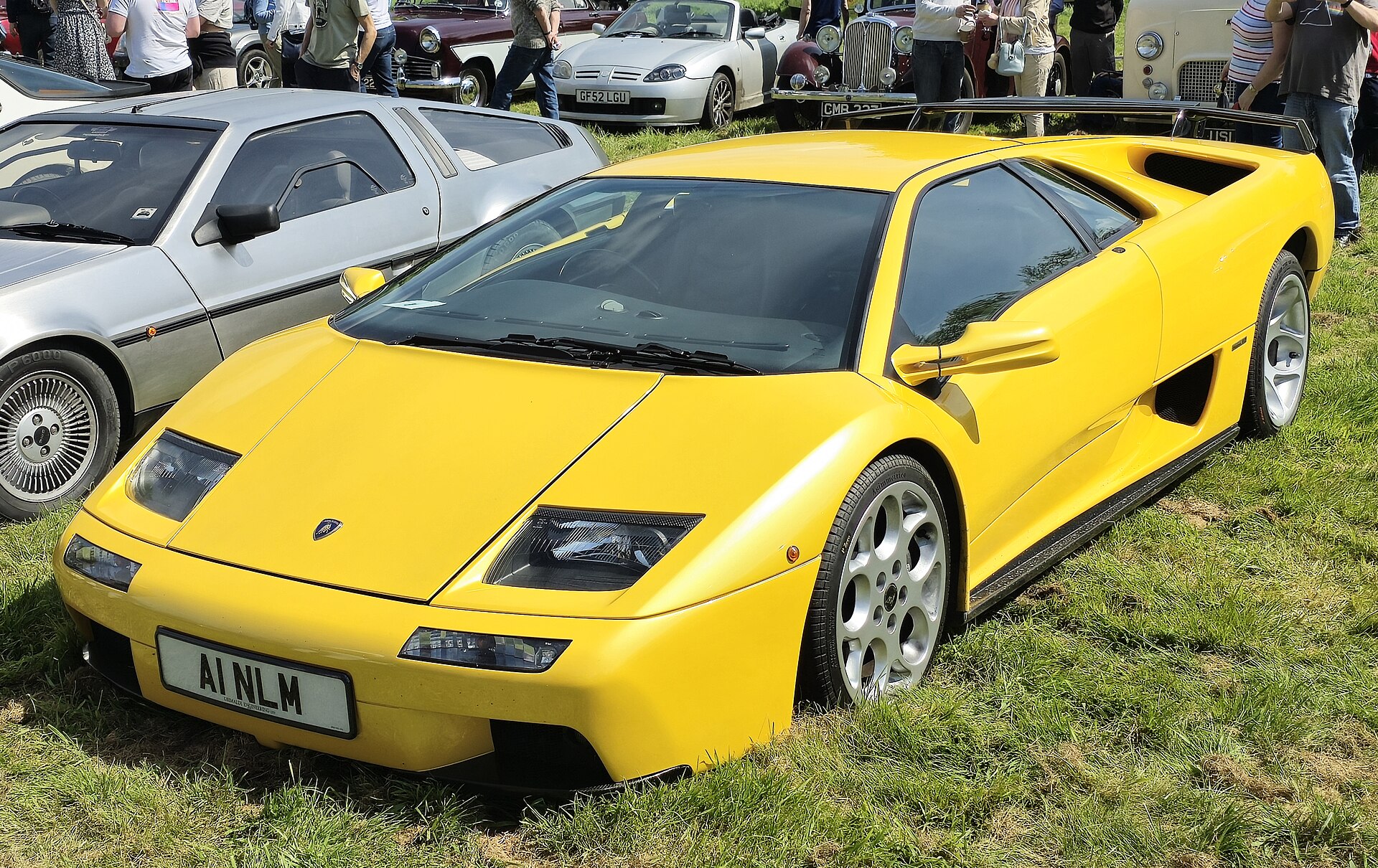
Supercars have captivated enthusiasts for decades, blending artful design with cutting-edge technology. From the early days of the 20th century to today’s electric hypercars, these machines represent the pinnacle of automotive engineering and cultural expression. In this article we look back at the models that defined each era and explore how innovation continues to shape the future.
Classic Icons: Pioneering Supercars
Long before the term “supercar” entered the mainstream, engineers and designers were pushing the limits of speed and style. Some of the earliest icons include:
- Bugatti Type 35 (1920s): A lightweight, agile racer whose 2.0 litre straighteight engine dominated Grand Prix racing. Its engineering excellence and elegant form helped establish the blueprint for performance cars.
- MercedesBenz SSK (1930s): Known as the “Super Sport Kurz,” this shortwheelbase monster delivered over 200 hp thanks to a supercharged 7.1 litre straightsix. Built for both road and track, it became a symbol of German engineering might.
- Ferrari 250 GTO (1960s): Often called the most beautiful car ever made, the GTO combined a roaring V12 with an aerodynamic body. Its successes at Le Mans and Sebring cemented Ferrari’s status as a supercar legend.
- Lamborghini Miura (1966): The first road car with a midengine V12 layout, the Miura introduced radical proportions and set the template for modern supercars. With 350 hp and a top speed of 280 km/h, it shocked the automotive world.
- Ford GT40 (1960s): Built to beat Ferrari at Le Mans, the GT40 famously achieved a 1‑2‑3 finish in 1966. Its low”slung design, endurancefocused engineering and 7.0‟litre V8 created an American icon.
Innovations in Motion: The 1980s & 1990s
As technology advanced, supercars embraced new materials, electronics and aerodynamics. Highlights of this era include:
- Porsche 959 (1986): Featuring twinturbo all”wheel drive and active suspension, the 959 delivered 450 hp and a 317 km/h top speed. Its sophisticated electronics set new standards for handling and stability.
- Ferrari F40 (1987): Celebrating Ferrari’s 40th anniversary, the F40 used a twinturbo V8, lightweight Kevlar panels and an emphasis on driver engagement to achieve 478 hp and a raw, visceral driving experience.
- McLaren F1 (1992): Often regarded as the greatest car of the 1990s, the F1 combined a naturally aspirated BMW V12, carbon fibre monocoque and a three”seat cockpit. With a top speed of 386 km/h, it held the production”car speed record for over a decade.
Modern Marvels: Hybrid and Hypercar Era
The turn of the millennium ushered in new powertrains and materials. Manufacturers experimented with hybrid systems, active aerodynamics and digital driver aids:
- Porsche 918 Spyder (2013): A plug”in hybrid pairing a 4.6‟litre V8 with electric motors, the 918 delivered 887 hp and set a 6:57 Nürburgring lap. Its carbon”fibre chassis and all”wheel drive showcased how efficiency and performance can coexist.
- Ferrari LaFerrari (2013): Combining a 6.3‟litre V12 with an electric KERS unit, the LaFerrari produced 963 hp. Limited to 499 units, it represented the pinnacle of Ferrari engineering and sold out before production.
- McLaren P1 (2013): With 903 hp from a twinturbo V8 and electric motor, the P1 featured active aerodynamics and a Race Mode that lowered the ride height and extended the rear wing for maximum downforce.
- Bugatti Chiron (2016): A quad”turbo W16 producing 1,500 hp propelled the Chiron past 420 km/h. Its sophisticated all”wheel drive and luxury interior demonstrated how extreme performance could be combined with daily usability.
Looking Ahead: The Future of Supercars
The next chapter of supercar history will focus on sustainability, electrification and autonomous technologies. Companies like Rimac with the Nevera and Lotus with the Evija have shown how electric powertrains can deliver instantaneous torque and record”setting acceleration. Lightweight composites, active aero systems and advanced battery management will enable even greater performance without sacrificing efficiency. Meanwhile, autonomous driving features may transform the supercar experience—allowing drivers to enjoy both hands”on thrills and self”driving convenience.
The evolution of supercars demonstrates that passion and innovation go hand in hand. From vintage legends to futuristic hypercars, these machines continue to inspire dreamers and engineers alike. Whether powered by petrol or electricity, the supercars of tomorrow will build on the legacy of their predecessors while redefining what is possible on four wheels.
Related reads: Lamborghini Temerario · How LaFerrari, P1 & 918 Spyder Revolutionized… · EV Hypercars