Porsche 911 GT3 RS: The Art of Performance Engineering
Introduction — Engineering Without Drama The Porsche 911 GT3 RS does not try to impress you. It does not shout. It does not seduce. It does not intimidate. It simply works.
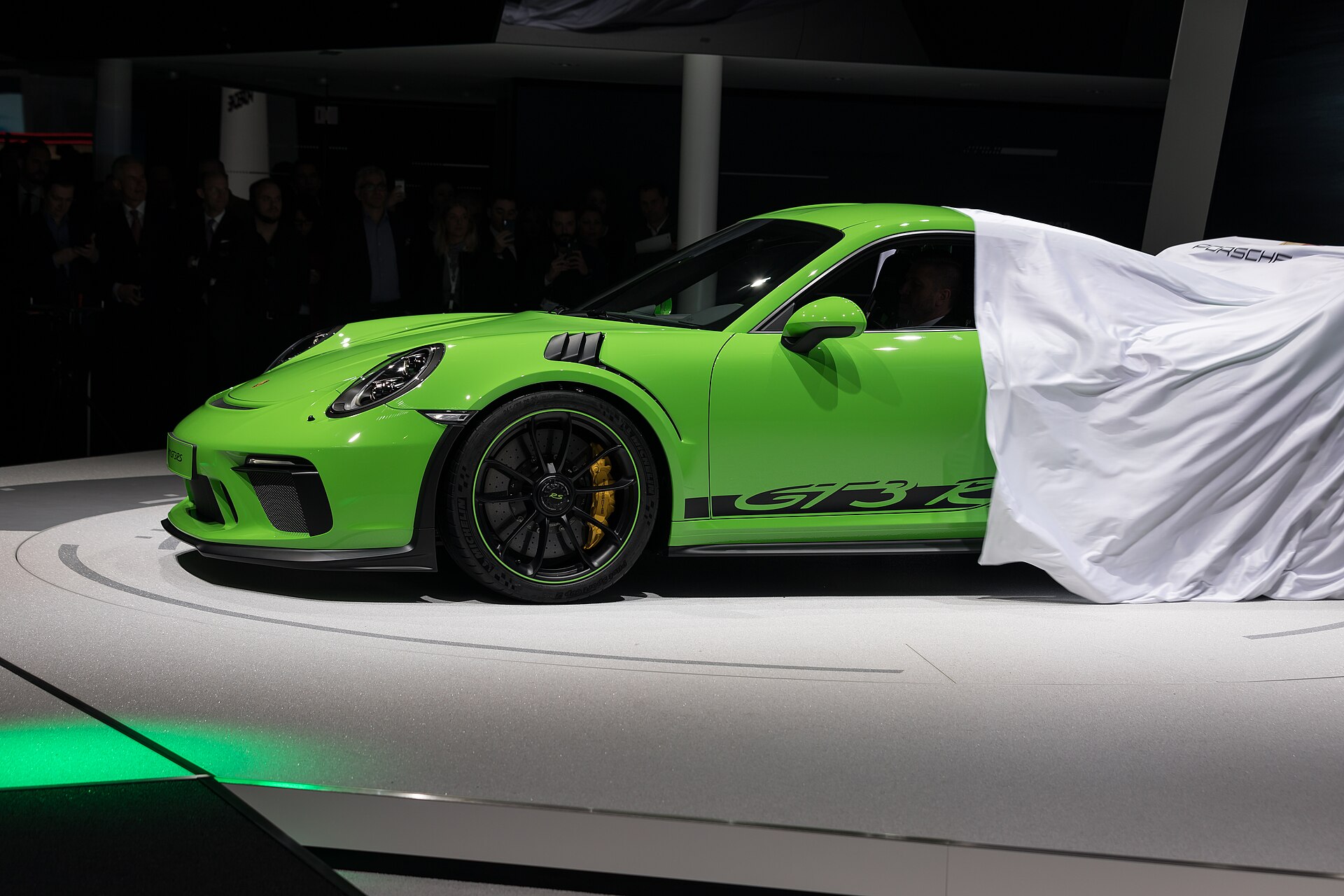
Introduction — Engineering Without Drama
The Porsche 911 GT3 RS does not try to impress you. It does not shout. It does not seduce. It does not intimidate. It simply works. In a world of increasingly complex, software-heavy hypercars and theatrical supercars, the GT3 RS represents something rare: pure engineering clarity. It is not designed to dominate headlines — it is designed to dominate lap times. This is the story of why the GT3 RS is one of the most serious performance cars ever built.
1. The Philosophy of Function Over Form
Every element of the GT3 RS exists for a reason. There is no visual flourish without purpose:
- Vents exist for cooling or airflow.
- Wings exist to generate downforce.
- Stiffness exists to improve feedback.
Nothing is decorative. The car looks aggressive because it needs to be. This is not design language. It is mechanical necessity made visible.
2. Naturally Aspirated Perfection
The heart of the GT3 RS is its naturally aspirated flat-six engine. It offers:
- Linear power delivery
- Instant throttle response
- High-revving mechanical purity
There is no turbo lag, no artificial enhancement, no sound design. The engine is not trying to be dramatic. It is trying to be accurate.
3. Aerodynamics as a Performance Tool
The GT3 RS uses advanced aerodynamic concepts adapted directly from motorsport:
- Large fixed rear wing
- Active aerodynamic elements (on newer generations)
- Aggressive underbody airflow management
The goal is not top speed. The goal is grip, stability, and consistency. The car is designed to be fast repeatedly, not just once.
4. Chassis as a Communication System
The suspension of the GT3 RS is not tuned for comfort. It is tuned for information. Every vibration, every load transfer, every grip change is communicated to the driver. The chassis is not isolating you from the road. It is translating it.
5. Why the GT3 RS Is So Respected
Many cars are fast. Few are precise. The GT3 RS is respected because:
- It delivers repeatable performance
- It rewards skill rather than masking it
- It prioritizes physics over spectacle
- It treats the driver as a participant, not a passenger
It is not a toy. It is a tool.
Conclusion — A Car for Those Who Understand
The Porsche 911 GT3 RS is not about status. It is about intent. It is built for people who care about:
- Lap times more than likes
- Feedback more than comfort
- Engineering more than image
It is not the most powerful car. It is not the most expensive. But it is one of the most honest. And in the world of performance, honesty is rare.
Porsche 911 GT3 RS — Technical Specifications
Porsche 911 GT3 RS: manufacturer Porsche; model 911 GT3 RS (992 generation); production years from 2022; production units limited but not officially disclosed; layout rear-engine, rear-wheel drive; engine 4.0-liter naturally aspirated flat-six producing 525 hp at 8,500 rpm and 465 Nm of torque, 0–100 km/h in approx. 3.2 s, 0–200 km/h in approx. 10.6 s, top speed 296 km/h; transmission 7-speed dual-clutch PDK; chassis aluminum-steel composite with extensive carbon fiber panels; kerb weight approx. 1,450 kg; suspension double wishbone front and rear with adaptive dampers and pushrod-style front suspension; brakes carbon-ceramic optional with 6-piston front and 4-piston rear calipers; aerodynamics extreme active aerodynamic system with front active flaps, DRS-style rear wing, producing over 800 kg of downforce at 285 km/h.
Related reads: Porsche 911 GT2 RS · Porsche 911 Turbo · Unleashing the Porsche Carrera GT