Dodge Viper: The Anti-Supercar Legend
Introduction — The Anti-Supercar The Dodge Viper was never meant to be elegant. It was never meant to be refined.
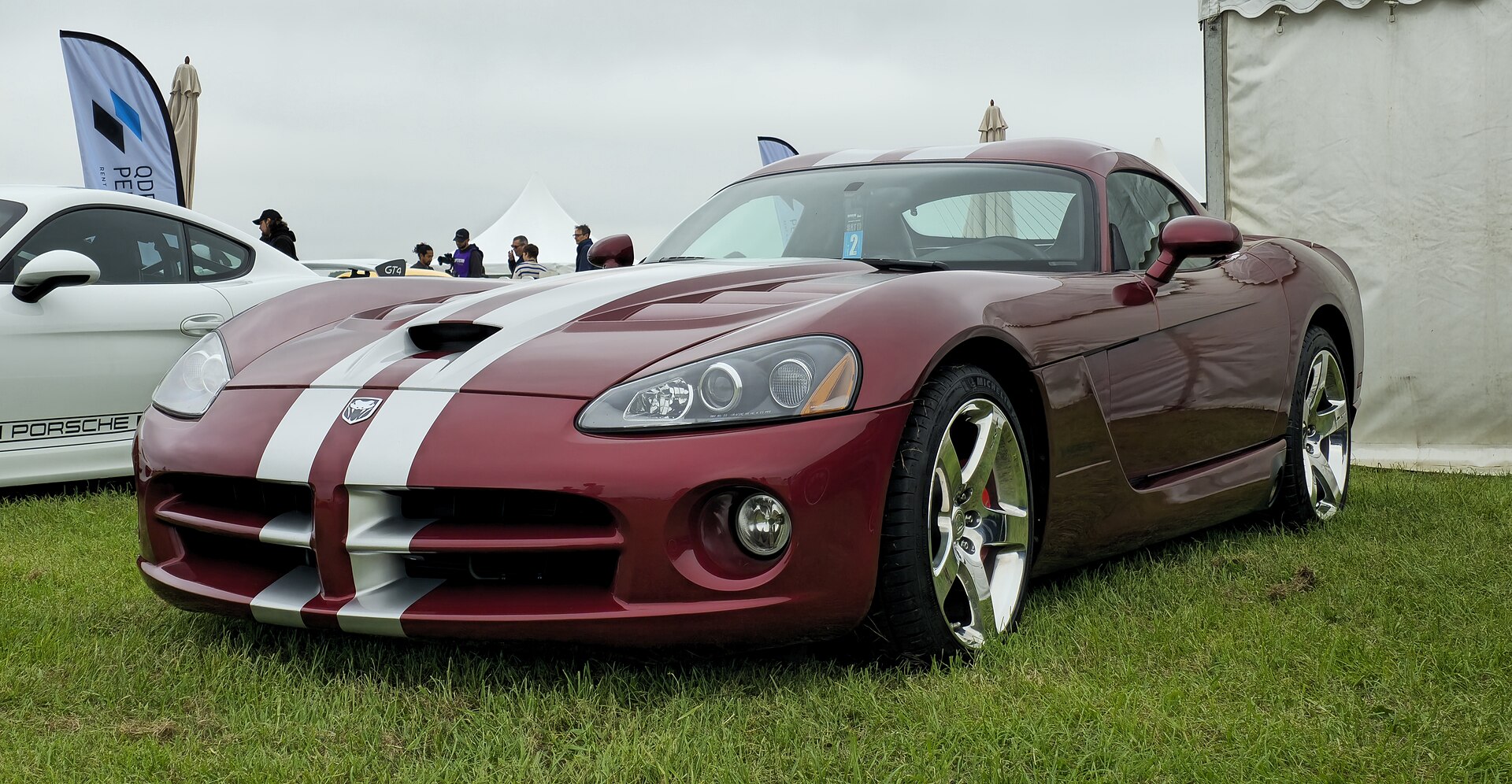
Introduction — The Anti-Supercar
The Dodge Viper was never meant to be elegant. It was never meant to be refined. It was designed to be excessive, mechanical, loud, and uncompromising — a direct rejection of the idea that performance should be polite. In a world moving toward balance and control, the Viper went in the opposite direction: raw power, minimal assistance, and maximum drama. This is the story of why the Dodge Viper became a legend by refusing to behave like a supercar.
1. An Engine That Defined the Car
The Viper was built around its engine. An 8.0-liter naturally aspirated V10 (later 8.4L) that produced massive torque at low rpm. The engine was not optimized for efficiency. It was optimized for impact. The car exists to serve the engine — not the other way around.
2. Minimal Electronics, Maximum Consequences
Early Vipers had:
- No traction control
- No stability control
- No ABS (in the earliest models)
- No refinement filters
The driver was fully responsible. The car did not forgive mistakes. It amplified them.
3. A Philosophy of Physicality
Everything about the Viper is physical:
- Heavy clutch
- Direct steering
- Massive tires
- Heat, vibration, and noise
The experience is not mediated. It is delivered.
4. Why the Viper Was So Different
While European supercars focused on:
- Balance
- Precision
- Technology
The Viper focused on:
- Force
- Simplicity
- Mechanical dominance
It was not faster in every metric. But it was louder in every emotion.
5. Cultural Impact
The Viper became:
- A symbol of American excess
- A rejection of European restraint
- A hero of raw performance culture
It did not chase perfection. It chased feeling.
Conclusion — The Value of Imperfection
The Dodge Viper is not a perfect car. It is not supposed to be. It exists to remind us that performance can be:
- Dangerous
- Emotional
- Uncomfortable
- Unreasonable
And still be meaningful. The Viper is not about going faster. It is about going harder.
Dodge Viper — Technical Specifications
Dodge Viper: manufacturer Dodge (SRT); model Viper ACR (Gen V); production years 2016–2017; production units approx. 1,700 (Gen V total); layout front-engine, rear-wheel drive; engine 8.4-liter naturally aspirated V10 producing 645 hp at 6,200 rpm and 814 Nm of torque, 0–100 km/h in approx. 3.3 s, top speed 285 km/h (limited by aero setup), transmission 6-speed manual; chassis aluminum space frame with carbon fiber body panels; kerb weight approx. 1,520 kg; suspension double wishbone front and rear with adjustable coilovers; brakes carbon-ceramic optional with 6-piston front and 4-piston rear calipers; aerodynamics extreme fixed aerodynamic package producing over 900 kg of downforce at high speed, no active systems.
Related reads: JDM vs Muscle · Hypercars vs Supercars · Chevrolet Corvette